If you have ever bought a product in a supermarket, the journey that product took to get to the shelf almost certainly went through a wholesaler. Wholesalers are a basic layer of world trade, in between manufacturers and businesses selling to final consumers. However, many entrepreneurs, food importers and business owners new to the wholesale game are unsure of what a wholesaler does, how they are different from distributors, and what it takes to build a wholesale business that can compete in today’s market. This article covers it all: What is wholesale, types of wholesalers, how wholesale differs from retail and distribution, steps to start a wholesale business, and how AI is transforming the food wholesale industry today.
Table of Contents
- What is Wholesale? Simple Definition
- What is Wholesale? Definition and Function
- Kinds of Wholesalers
- Wholesale vs Retail: Differences
- How to Start a Wholesale Business: Key Steps
- Challenges Facing Wholesale Businesses Today
- How AI Is Revolutionising Food Wholesale Industry
- Frequently Asked Questions
What is Wholesale? Simple Definition
What is wholesale? Wholesale means buying in bulk, usually from the manufacturer of the product or the producer of the product. Then you sell it at a profit to stores or restaurants or other businesses (not the average person, though).
Wholesale is defined as the sale of goods in large quantities to business buyers at a price below retail, allowing retailers and other businesses to stock and sell those products at a profit.
The big difference is the volume and the type of buyer. Wholesalers sell in bulk to businesses, not to the public
What is Wholesale? Definition and Function
What does a wholesaler do in the supply chain?
In a traditional supply chain, the wholesaler is the middleman between the producers of goods and the sellers of goods (to consumers).
Manufacturer -> Wholesaler -> Retailer / Restaurant / Distributor -> Consumer
Wholesalers take the supply from manufacturers and spread it among a large number of buyers, reducing the complexity that would otherwise be faced by each side of the chain. Manufacturers don’t have to deal with hundreds of smaller buyer relationships. They don’t need to go producer by producer, negotiating with dozens of them.
What Does a Wholesale Business Do?
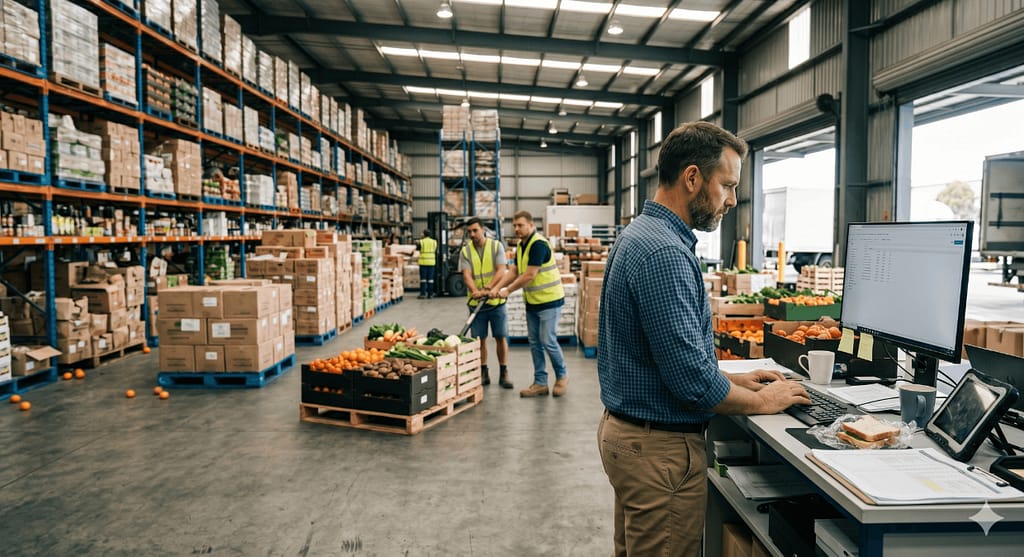
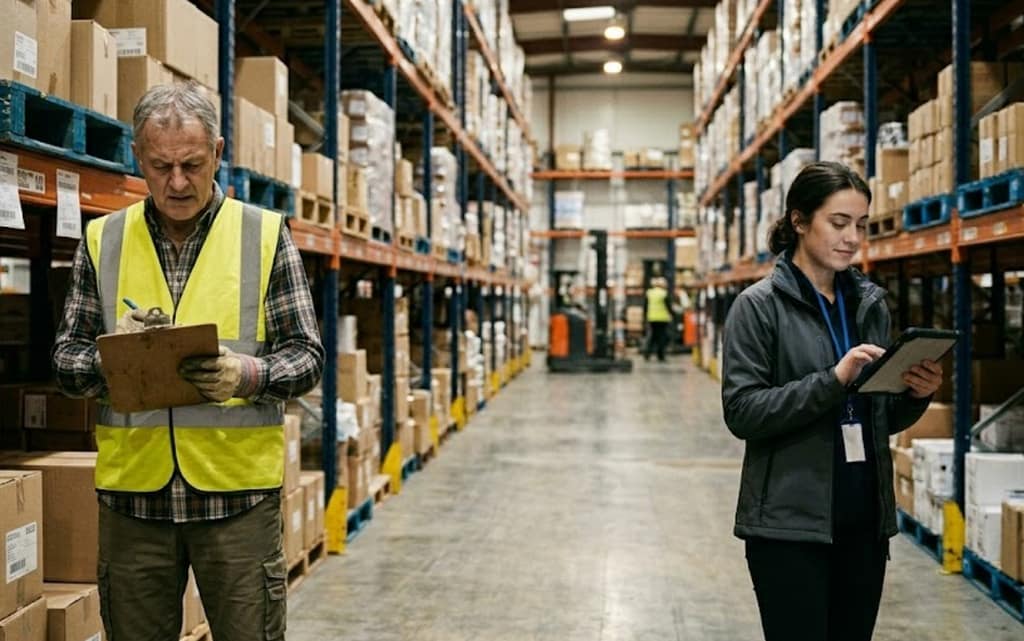
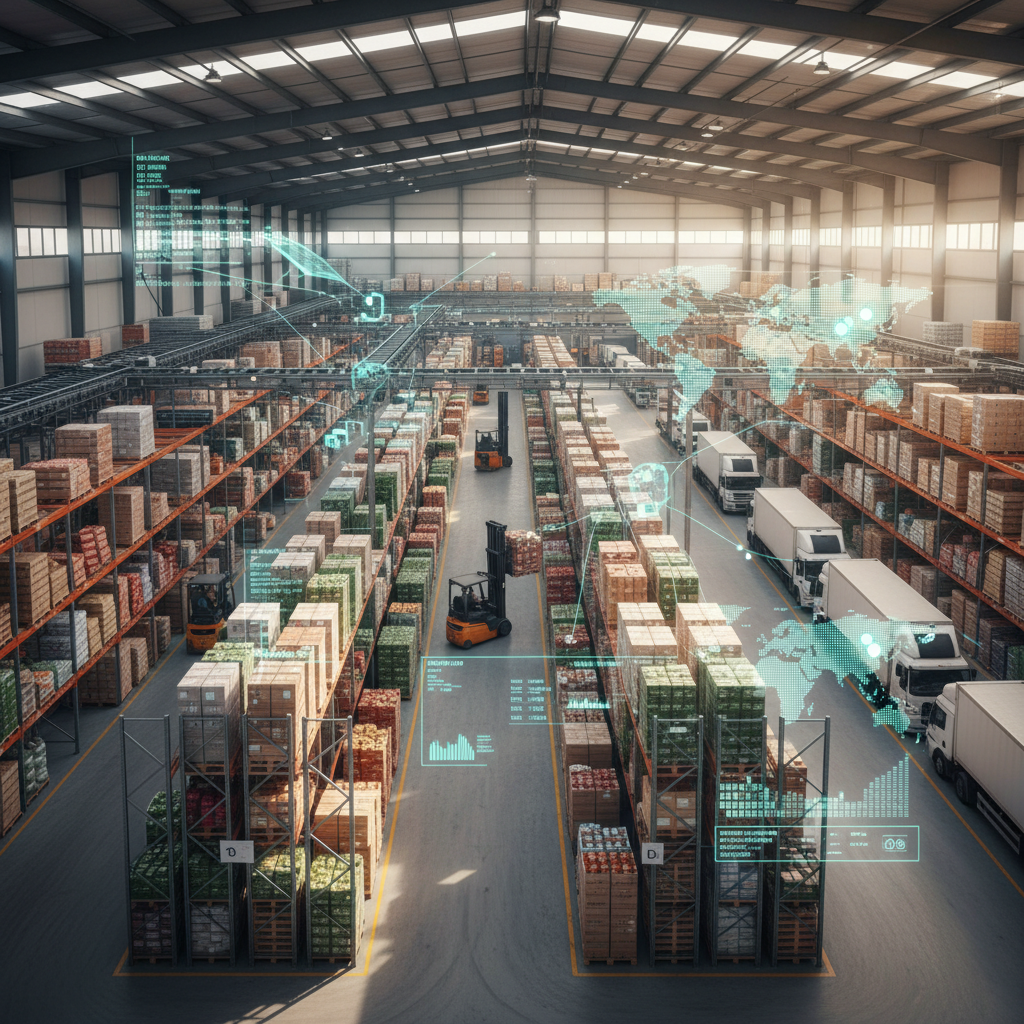
The core activities of a wholesale business go well beyond simply buying and reselling. A wholesaler typically handles bulk purchasing from one or multiple manufacturers, storage and warehousing of large inventory volumes, break-bulk (dividing large shipments into smaller lots for buyers who cannot take the full amount), providing credit to buyers, managing logistics and delivery, and ensuring product availability across a defined territory or network of buyers.
Kinds of Wholesalers
Merchant Wholesalers
The merchant wholesaler is the most common type. They purchase the goods and take ownership of them . They stock inventory and sell it to retailers or other companies . They own the stock, so they bear the risk of price changes and unsold inventory. Most food wholesale businesses are merchant wholesalers, buying produce, packaged goods or ingredients and selling them to restaurants, grocery chains or food service operators.
Agents and Brokers
Brokers and Agentsfer from merchant wholesalers in one critical way: they do not take ownership of the goods. Instead, they facilitate transactions between buyers and sellers in Agents and brokers differ from merchant wholesalers in one important respect: they do not take title to the goods. They don’t buy or sell themselves . They bring buyers and sellers together and charge a commission . For example, a food broker could be the link between a spice importer and a national retailer, never taking possession of the product. This model has lower capital requirements but lower margins.Sales Branches of Manufacturerses Branches
Some companies like to operate their own wholesale departments rather than using independent wholesalers. A manufacturers’ sales branch is a wholesale business owned and operated by the manufacturer that sells directly to retailers or food service businesses. This gives the manufacturer more control over pricing and distribution, but requires a large investment in operations.
Speciality Food Distributors
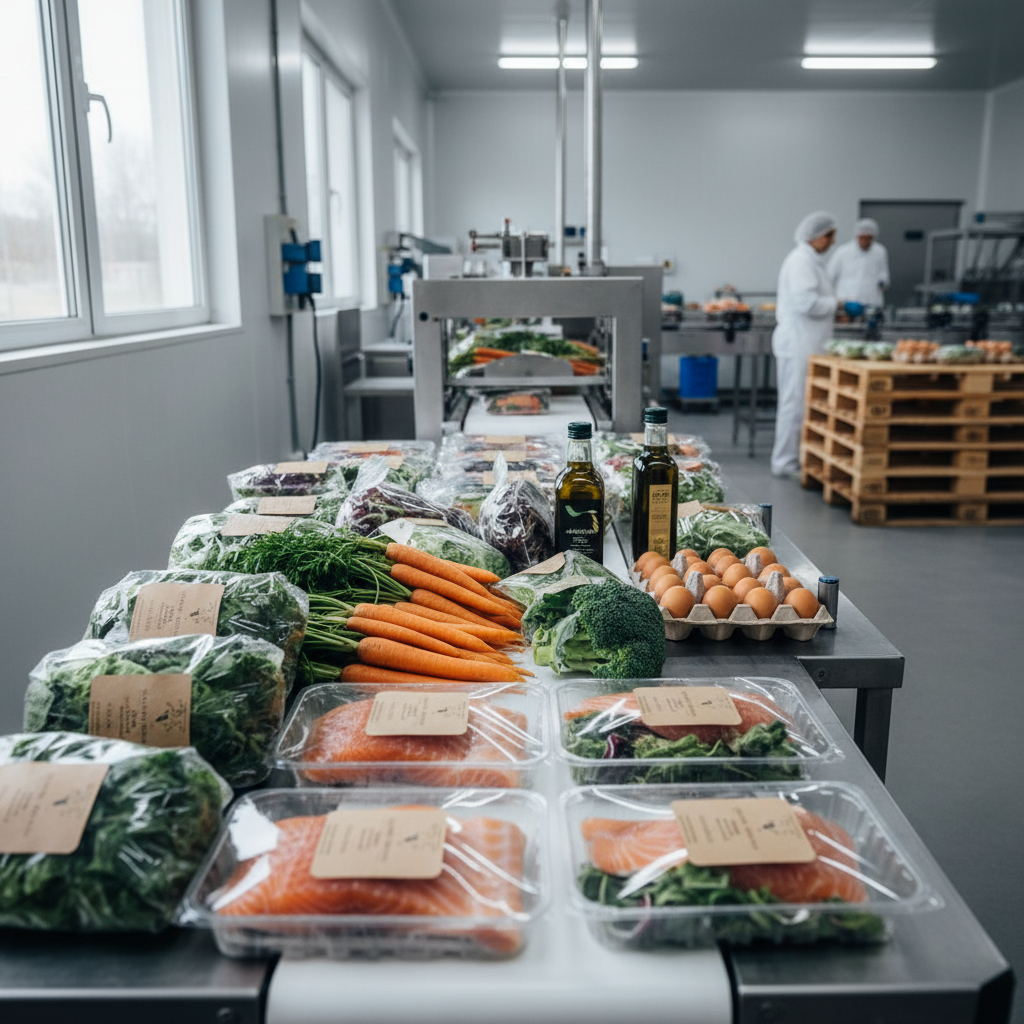
Wholesale speciality food distributors carry niche or premium product categories such as organic produce, imported ingredients, artisan cheeses, halal or kosher certified goods, ethnic food lines or ingredients supporting specific culinary traditions. This segment is a fast-growing one as food service businesses and retailers look for differentiated products that their competitors will find difficult to duplicate. Speciality food wholesalers typically focus on very defined buyer segments and compete on sourcing relationships and product knowledge as much as price.
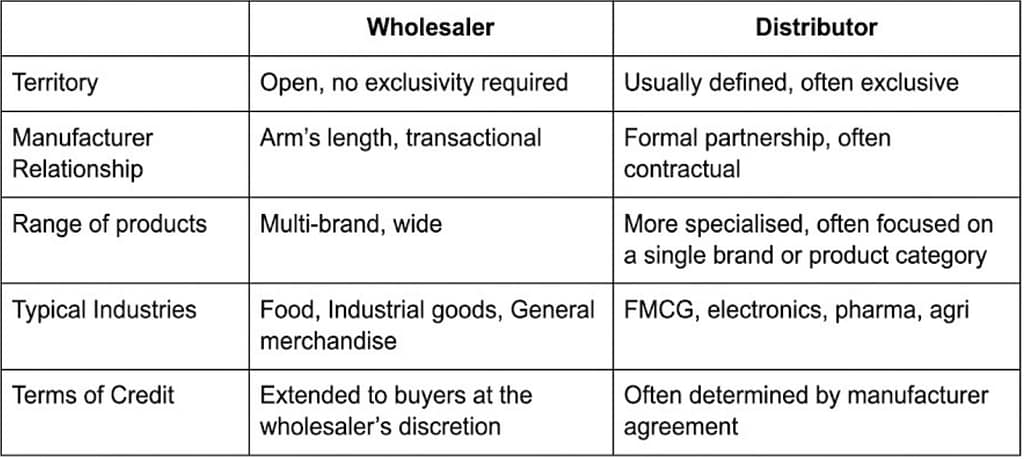
Wholesaler Vs Distributor: What’s The Difference?Wholesaler and distributor are often used interchangeably, but they are not the same. Knowing the difference is important in structuring supplier relationships, negotiating contracts and selecting the right go-to-market model.
Wholesaler and distributor are often used interchangeably, but they are not the same. Knowing the difference is important in structuring supplier relationships, negotiating contracts and selecting the right go-to-market model.
Typically, distributors have a formal (often exclusive) contract with a manufacturer to sell their products in a certain territory. Distributors invest in marketing those products, provide after sales support and are closely aligned with the brand strategy of the manufacturer. A distributor, on the other hand, is free to buy and sell more freely, and often stocks products from a variety of manufacturers without exclusive agreements.
Wholesale vs Retail: Differences
Pricing: Retail Price and Wholesale Price
Wholesale price is the price a business pays when it buys goods in bulk . The retail price is the price a consumer pays at a store. The difference between the two is the retailer’s gross margin. Wholesale prices are cheaper per unit because of the volume commitments, while retail prices factor in the cost of store operations, marketing and consumer-facing service.
Customer Type B2B v/s. B2C
Wholesale works in the B2B (business to business) sector. The customer is always another business: a restaurant, a grocery chain, a food service company, or some other wholesaler. Retail is B2C (business to consumer). Retail is selling to the person, i.e. consumer.
Bulk vs Individual Order Volume
Wholesale transactions are high-volume by definition. A wholesale order could last a buyer a week or month of inventory. Retail transactions are one-to-one Consumers purchase in quantities appropriate to personal consumption.
How to Start a Wholesale Business: Key Steps
1. Choose Your Product Category
Start with a category where you have sourcing access, market knowledge or a competitive advantage. For example, deep supplier relationships and category expertise are rewarded in food wholesale. Speciality or imported food categories may have higher margins and less direct price competition than commodity goods.
2. Get a Wholesale Licence
In most markets, to legally sell goods at wholesale, you’ll need a wholesale licence or business registration. These requirements vary by country, state, and product category. Food wholesale businesses may also need food handling certifications, import licences and to comply with local food safety regulations. Before you put money in, research the specific requirements of your territory.
3. Find Suppliers
Supplier relationships are the life blood of any wholesale business. Attend trade fairs, use wholesale marketplace websites, contact producers or manufacturers directly. Food importers need to consider import duties, documentation requirements and logistics costs when sourcing from different countries. ProcurePro — AI procurement for food importers that helps you manage supplier negotiations and monitor procurement costs in real time.
4. Configure Order Management
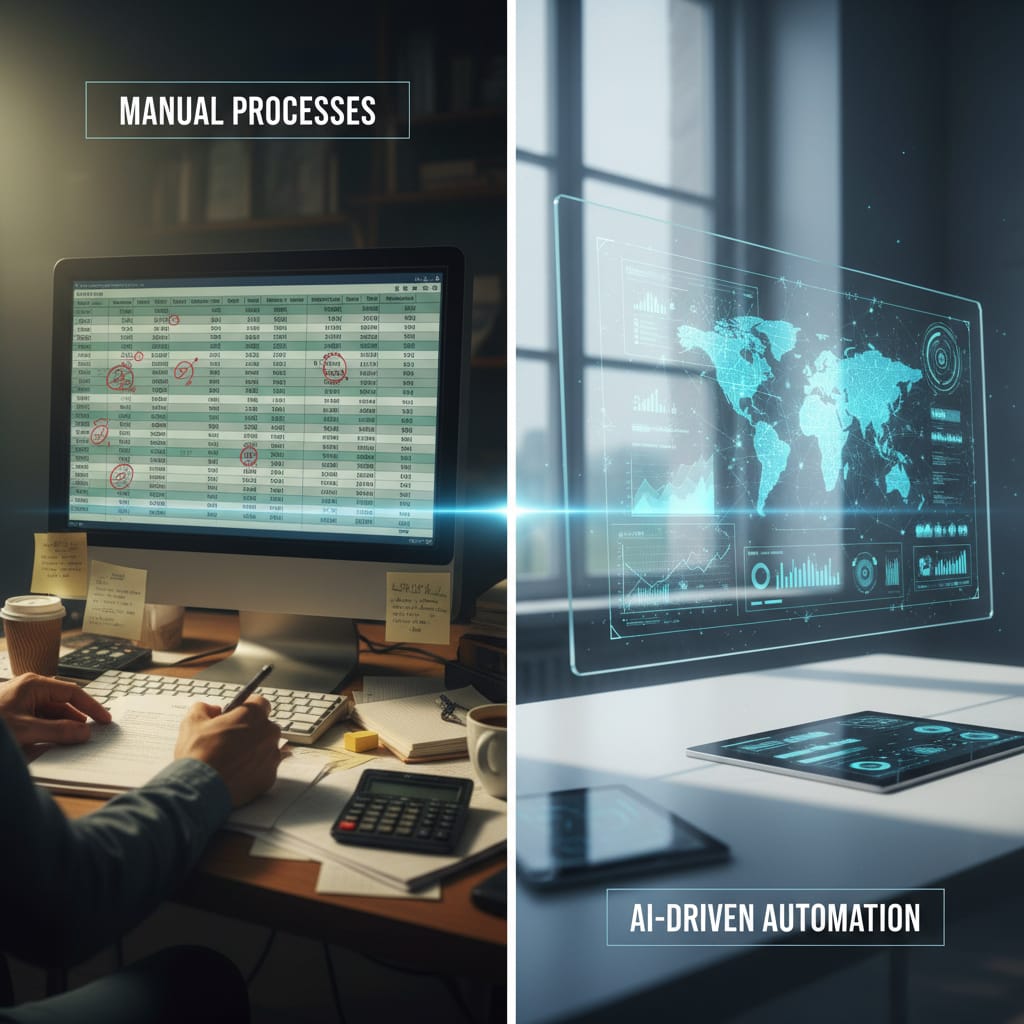
Manual order management is one of the biggest constraints on wholesale growth. Order volumes increase and spreadsheets are no longer manageable to track purchase orders, customer-specific pricing and manage fulfilment across multiple buyers. Introducing a dedicated order management system early on can lead to substantial operational savings. AI order management for food wholesalers automates this entire layer, eliminating manual work and order errors from day one.
5. Create Your Buyer Network
Wholesale revenue is buyer relationship-driven. Make direct outreach investments to retailers, restaurants and food service operators in your target market. Digital buyer portals, WhatsApp based ordering and automatic re-order reminders are increasingly effective tools in helping you build and retain a loyal buyer base, without adding to your sales team.
Challenges Facing Wholesale Businesses Today
Inventory and Demand Forecasting
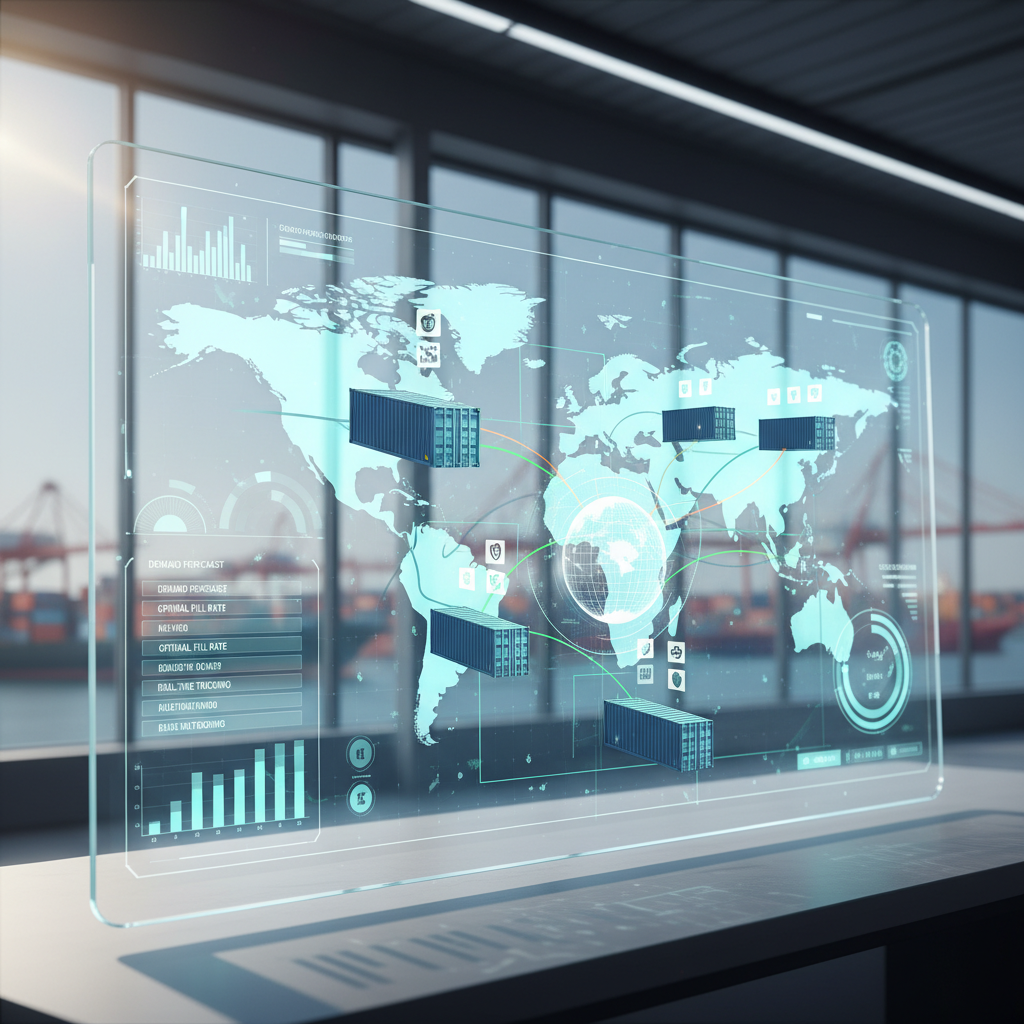
Overstocking ties up working capital. Understocking loses sales and damages buyer trust. For food wholesalers handling perishable goods, getting this balance wrong has direct financial consequences. Traditional forecasting methods based on historical sales averages are no longer sufficient in markets where demand shifts weekly.
Manual Order Management
Most wholesale businesses still process a significant portion of their orders manually: emails, WhatsApp messages, phone calls, and spreadsheets. This creates delays, errors, and a ceiling on the number of buyers a sales rep can manage effectively. Wholesale distribution software systematically eliminate this bottleneck.
Rising Freight and Logistics Costs
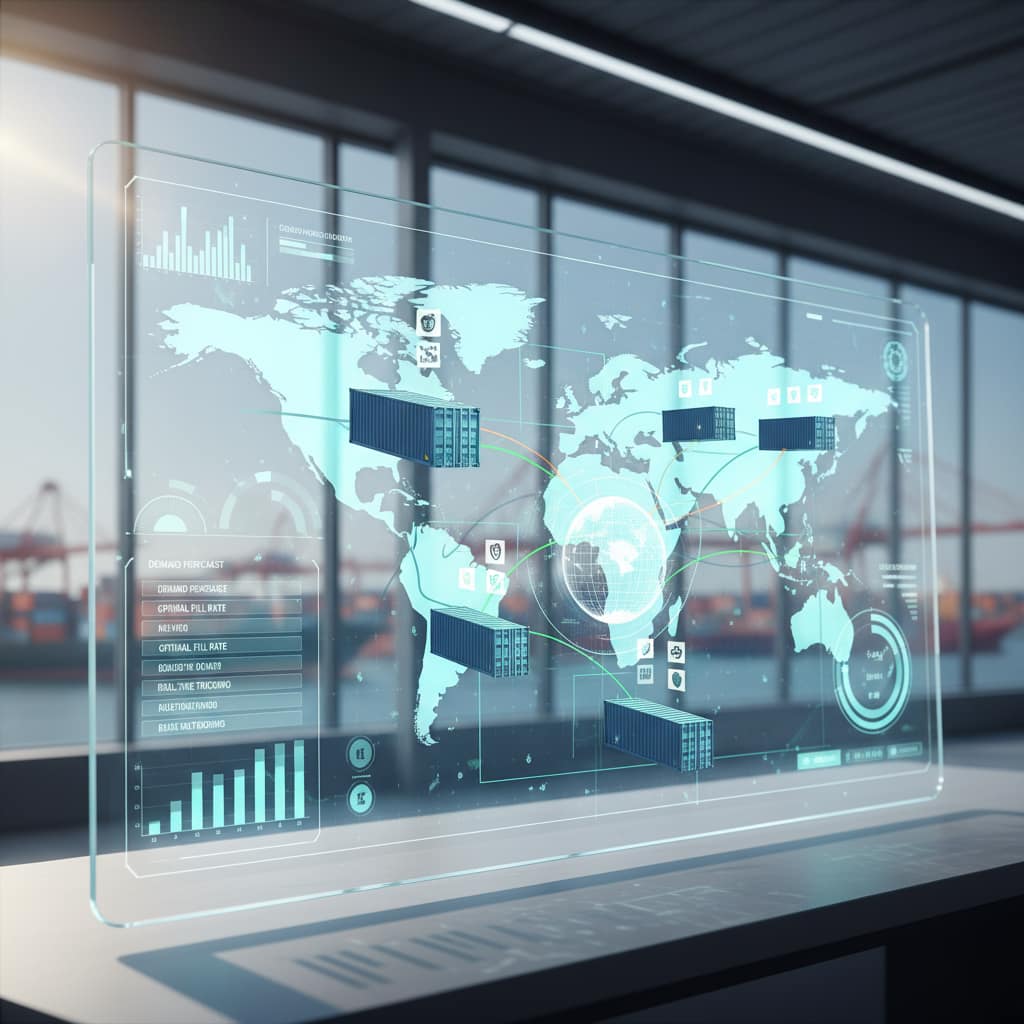
Since 2020, the movement of shipping costs has been variable, impacting food importers the most. Wholesalers generally do not have the data at hand for management of landed cost per unit, optimising container utilisation and finding alternative sourcing routes. AI procurement tools like “ProcurePro, AI procurement for food importers, are built for this particular challenge.
Buyer Retention In A Competitive Marketplace
It costs money to obtain a wholesale buyer. To keep them means to have them available at all times, to have competitive prices and a buying experience that is easier than going to a competitor. In a crowded market, the quality of your ordering process, your invoicing speed, and your responsiveness can be as important as your product range.
How AI Is Revolutionising Food Wholesale Industry
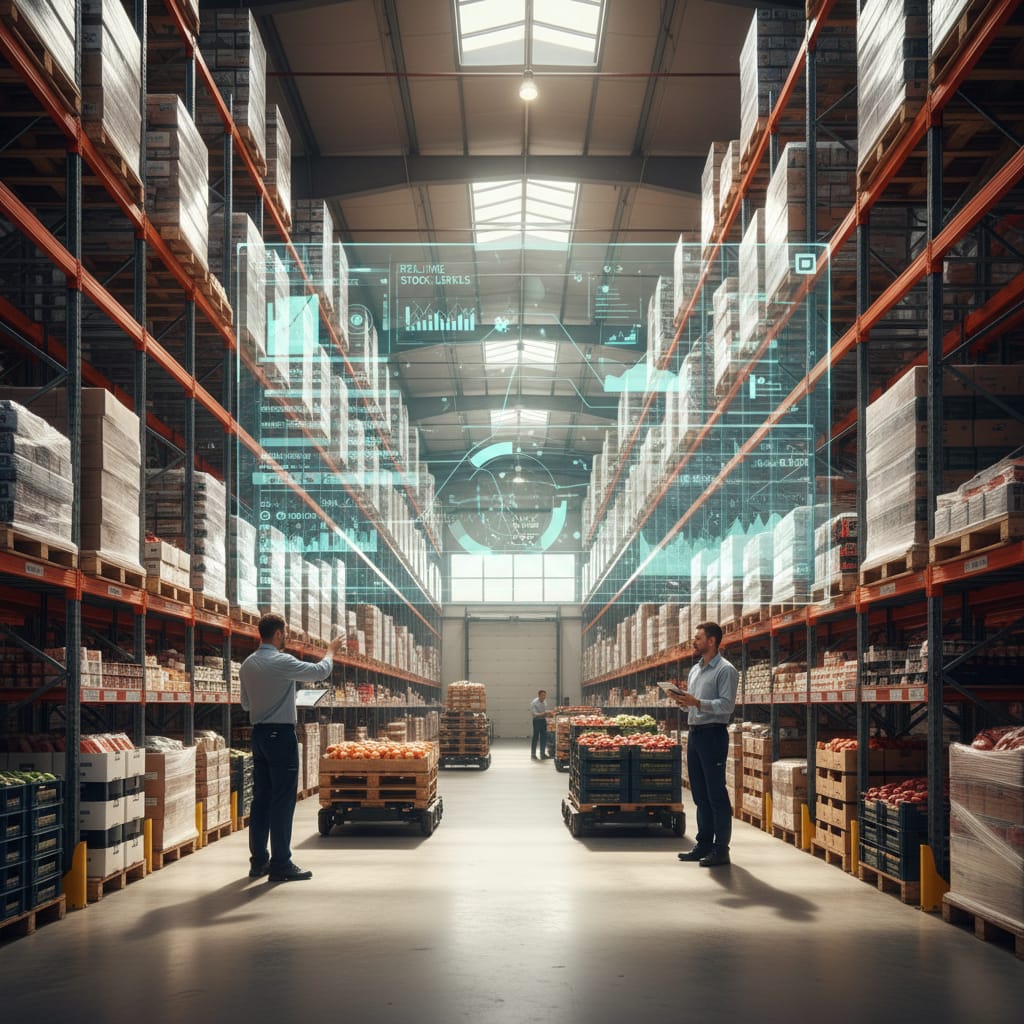
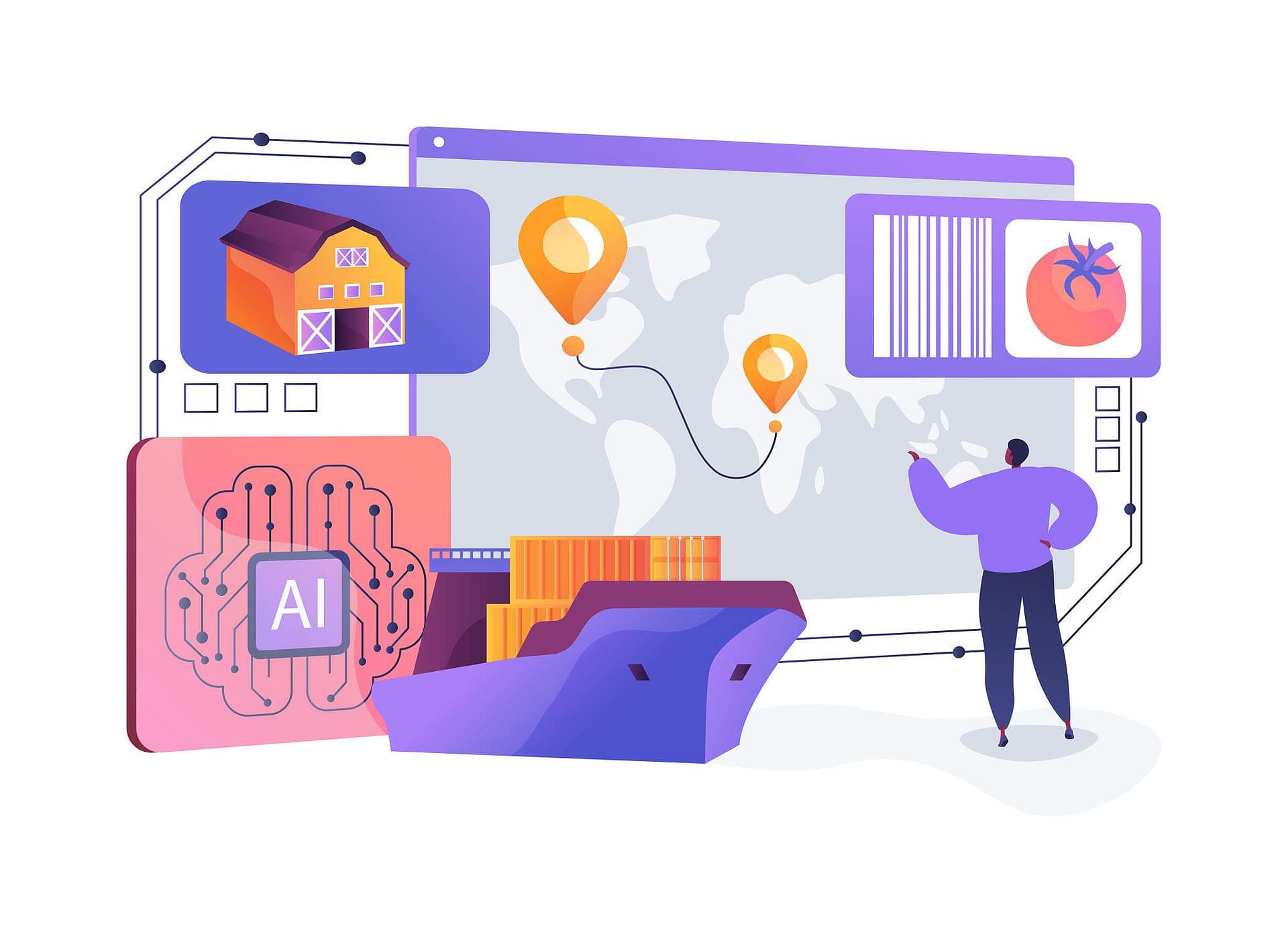
The food wholesale industry is experiencing a real tech shift. Three years ago, companies were running their operations on WhatsApp, email chains and manual billing, but today they’re adopting AI-powered platforms that automate the repetitive layers of their business and give them real-time visibility they’ve never had before.
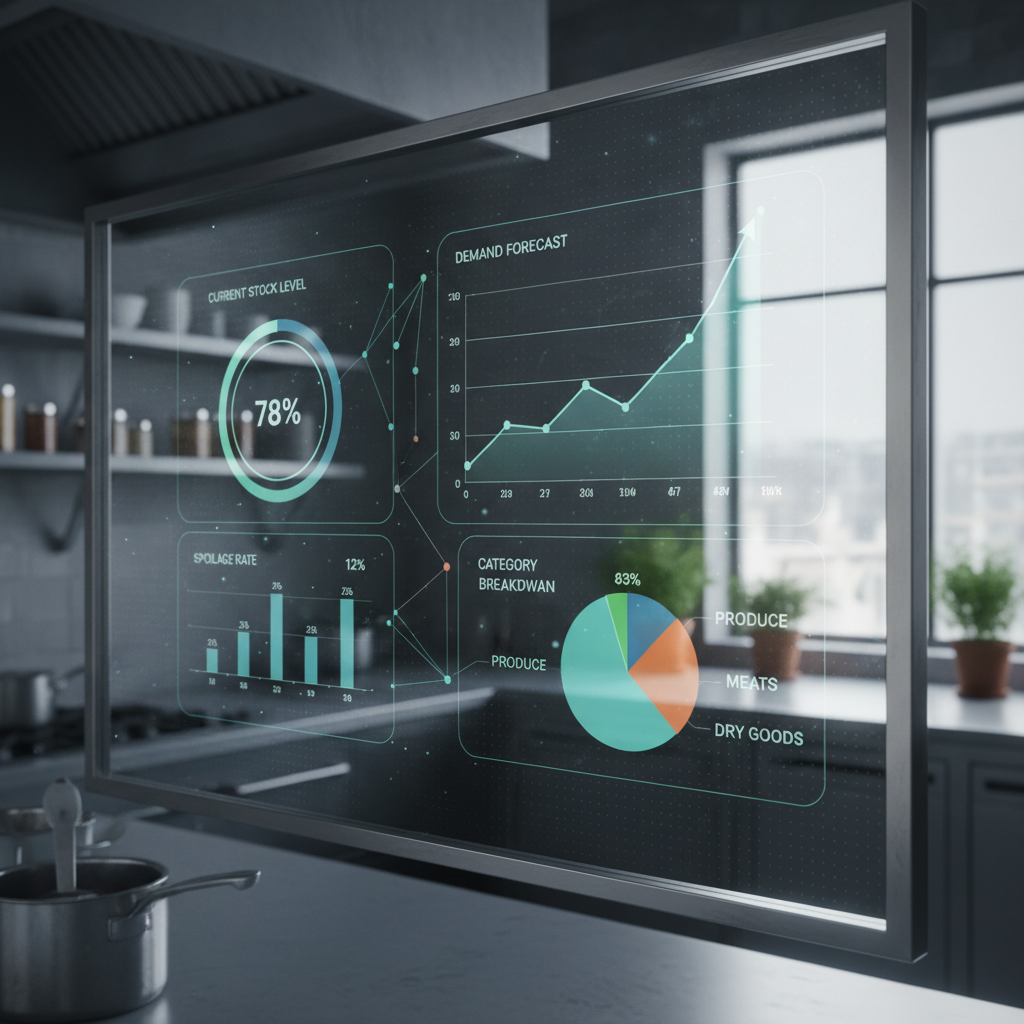
The most impactful changes are happening in order management (automated intake, Biggest changes are in order management (automated intake, processing and confirmation), demand forecasting (AI models to predict reorder points based on buyer behaviour), digital buyer portals (buyers can place and track orders without calling a rep) and invoicing (WhatsApp-based invoicing that eliminates delays). It’s not the big enterprise with a dedicated technology team that’s using these tools. They are middle-sized food importers, speciality wholesalers and regional distributors who have seen that manual operations cannot grow beyond a certain point. The shift from spreadsheets to AI-powered platforms is no longer just an efficiency gain but a competitive necessity.
If you are evaluating your current tools, it is worth exploring a Pepperi alternative for food wholesale built specifically for food importers and distributors.
Frequently Asked Questions
What is the difference between a wholesaler and a retailer?
A wholesaler sells goods in bulk to businesses at a price below retail. A retailer buys from wholesalers (or directly from manufacturers) and sells individual units to consumers at a retail price marked up The customer of the wholesaler is always a business. The customer of the retailer is the general public.
What is wholesale price.
The cost of buying something in bulk from a wholesaler is called the wholesale price. Because of the volume commitment and no consumer facing overhead costs, it is always below the retail price.
Can anyone shop from a wholesale?
Most wholesalers require proof of a registered business from buyers. This could require a business licence, tax registration number or proof of trade. Several wholesale marketplaces have expanded to include more buyers, but traditional wholesalers usually require business validation before creating an account.
What is a wholesale market place
A wholesale marketplace is a digital platform where multiple wholesalers list products and business buyers can browse, compare, and purchase in bulk. Examples include Faire, Ankorstore, and sector-specific platforms for food and beverage. These platforms reduce the friction of finding wholesale suppliers but typically charge listing or commission fees to sellers.
How do food wholesale businesses manage inventory?
Those food wholesalers that have good inventory management use real-time inventory monitoring, automatic reordering when stock is at a minimum, and demand forecasting to predict what buyers will want before they order. Most businesses start with spreadsheets and manual checks, but AI-powered platforms built for food wholesale combine all three layers.
How Prosessed AI Helps Wholesale Food Businesses Grow
Prosessed AI is designed specifically for food importers, exporters and wholesale distributors who are outgrowing their manual operations.
Automated order intake, processing and confirmation across WhatsApp, email and digital buyer portals reduces manual order management work by 40-50 percent. • Sales reps using Prosested AI generate 15 percent more revenue on average because they are spending less time on administrative work and more time building buyer relationships. With real-time inventory visibility and AI demand forecasting, food wholesalers have the data they need to move from overstocking perishables to predicting what buyers need before they ask.
If your wholesale operation is still managed on spreadsheets, email chains and manual invoicing, the cost isn’t only in time. You’re leaving growth on the table.