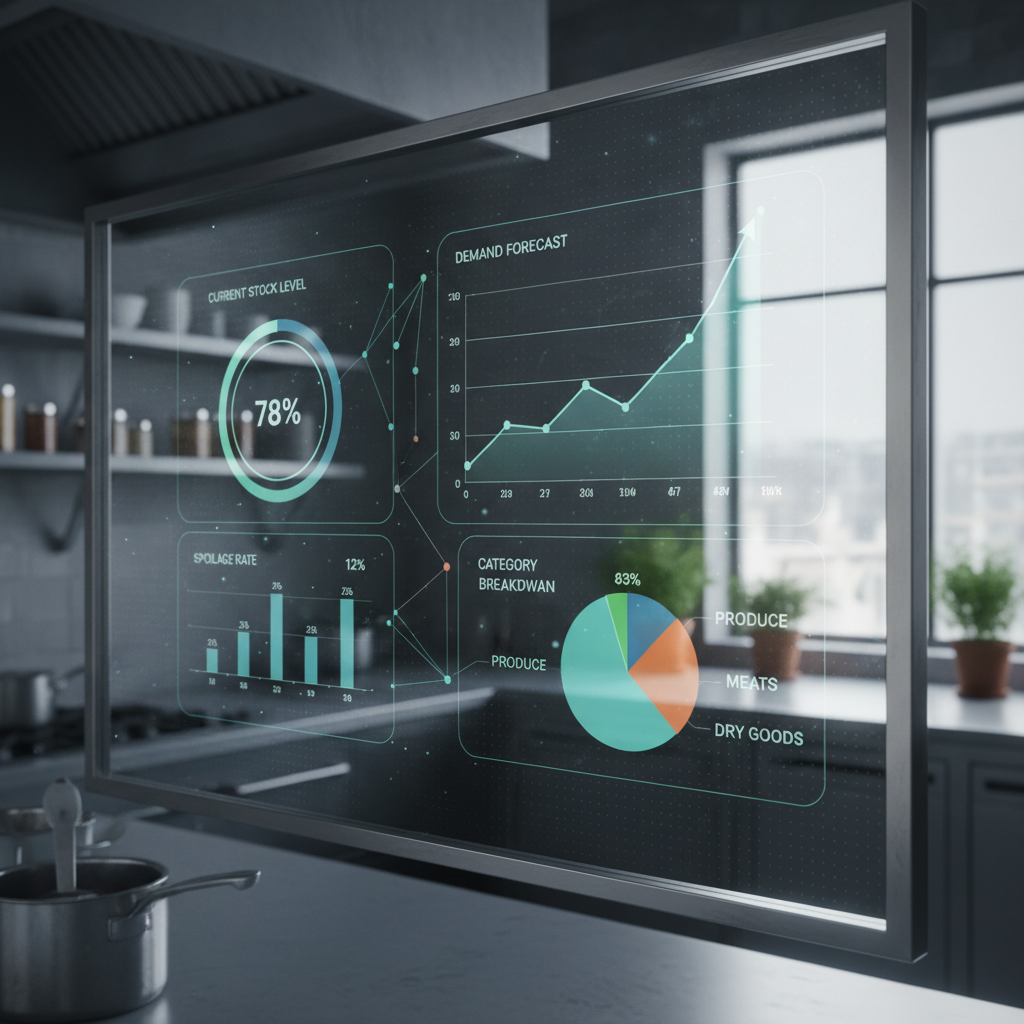
In the fast-paced world of wholesale food distribution, traditional ordering methods often fall short. Manual processes lead to inefficiencies, errors, and significant waste, impacting profitability and customer satisfaction. Imagine a system that predicts demand with uncanny accuracy, streamlines inventory management, and offers a seamless ordering experience for both your team and your clients. This is where the power of Artificial Intelligence steps in.
Modern wholesale food businesses are increasingly turning to AI ordering systems to revolutionize their operations. These advanced platforms go beyond basic order entry, leveraging machine learning to forecast trends, optimize pricing, and automate repetitive tasks. For Prosessed, a brand committed to efficiency and innovation, we understand the critical need for precision in this dynamic sector. This comprehensive guide will help you navigate the landscape of the best AI ordering systems for wholesale food, ensuring you make an informed decision to elevate your business.
Choosing the right AI ordering system can transform your supply chain, reduce operational costs, and build stronger relationships with your customers. Let’s explore the top contenders and discover how to select the perfect solution for your unique needs.
How To Choose The Right AI Ordering System for Your Business
Selecting an AI ordering system is a significant investment that can define your operational efficiency for years to come. It is crucial to consider several factors beyond just the basic features. A thoughtful evaluation ensures the system aligns perfectly with your business goals and future growth.
- Scalability and Growth Potential: Can the system handle increased order volumes, new product lines, or expansion into new markets without significant overhaul? Look for solutions designed to grow with you.
- Integration Capabilities: Seamless integration with your existing Enterprise Resource Planning (ERP), inventory management, accounting software, and customer relationship management (CRM) systems is vital to avoid data silos and manual transfers.
- Key AI-Powered Features: Evaluate specific functionalities like predictive analytics for demand forecasting, dynamic pricing optimization, real-time inventory synchronization, and personalized recommendations for customers.
- User-Friendliness and Accessibility: The system should be intuitive for both your internal team and your wholesale clients. A clunky interface can deter adoption and negate potential benefits. Mobile accessibility for on-the-go ordering is also a significant plus.
- Support, Training, and Implementation: What level of customer support is offered? Is comprehensive training available for your staff? Understanding the implementation process and ongoing support structure is key to a smooth transition and long-term success.
- Cost-Effectiveness and Return on Investment (ROI): Beyond the initial purchase or subscription cost, consider the total cost of ownership. Evaluate potential savings in labor, reduced waste, improved accuracy, and increased sales to project your ROI.
Quick Look: Top AI Ordering Systems for Food Wholesalers
Here’s a brief overview of the leading AI ordering systems that are making a significant impact in the wholesale food industry:
- Prosessed OrderIt – Advanced AI for seamless, predictive wholesale food ordering with a focus on user experience and real-time data.
- FoodLogic AI – A robust system concentrated on comprehensive supply chain optimization and complex logistics management.
- HarvestTech SmartOrder – Specializes in fresh produce and perishable goods, offering dynamic pricing and waste reduction features.
- DineFlow AI – A comprehensive platform primarily designed for restaurant suppliers, emphasizing client portal customization and B2B relationships.
- SupplyChain AI Pro – An enterprise-grade solution providing deep analytics and extensive scalability for large, multifaceted operations.
In-Depth Review: The Best AI Ordering Systems for Wholesale Food
Let’s dive deeper into what makes each of these systems stand out, examining their core strengths and what you should consider before making a choice.
1. Prosessed OrderIt
Prosessed OrderIt stands out as a top-tier solution for wholesale food businesses seeking a balance of sophisticated AI and exceptional user-friendliness. Designed with modern distributors in mind, it simplifies complex ordering processes while delivering powerful insights.
- Why You Will Love It:
- Intuitive User Interface: Effortless navigation for both your team and your customers, reducing training time and errors.
- Predictive Ordering: Leveraging advanced AI, it accurately forecasts demand, helping you optimize inventory and minimize spoilage.
- Dynamic Pricing: Adjusts pricing in real-time based on market conditions, inventory levels, and customer segments, maximizing your margins.
- Real-time Inventory Sync: Ensures your stock levels are always accurate, preventing overselling and backorders.
- Exceptional Customer Support: Prosessed is known for its responsive and dedicated support team, ensuring smooth operations.
- Easy Integration: Designed to integrate smoothly with existing ERP and accounting systems.
- Keep In Mind:
- While designed for growth, initial data setup and historical data input are crucial for the AI to learn and provide optimal performance.
- Best utilized by businesses ready to embrace comprehensive digital transformation.
Ready to see the difference? Learn more about our Products and explore how OrderIt can transform your wholesale food operations. You can even ✨ Get Started Free to experience its power firsthand.
2. FoodLogic AI
FoodLogic AI is a robust platform specifically engineered for wholesale food businesses with intricate supply chains. It focuses heavily on optimizing logistics and ensuring efficient movement of goods from supplier to customer.
- Why You Will Love It:
- Strong Supply Chain Integration: Excels at connecting various points in your supply chain for a holistic view.
- Complex Logistics Management: Ideal for managing multi-warehouse operations, diverse delivery routes, and intricate product assortments.
- Multi-Location Support: Seamlessly handles businesses with multiple distribution centers or client locations.
- Vendor Management: Streamlined tools for managing supplier relationships and purchasing.
- Keep In Mind:
- Can have a steeper learning curve due to its extensive features and depth.
- Potentially higher upfront implementation costs compared to some more streamlined options.
- May require significant customization to fit highly unique workflows.
3. HarvestTech SmartOrder
For wholesale food distributors specializing in perishable goods like fresh produce, dairy, or baked goods, HarvestTech SmartOrder offers tailored solutions designed to combat waste and maximize freshness.
- Why You Will Love It:
- Superior Perishable Goods Management: Specific features to track shelf life, expiration dates, and freshness indicators.
- Waste Reduction Features: AI-driven insights help minimize spoilage by optimizing order quantities and delivery schedules.
- Dynamic Pricing for Freshness: Adjusts prices based on remaining shelf life or current market demand for highly perishable items.
- Compliance & Traceability: Robust tools for tracking product origins and ensuring regulatory compliance.
- Keep In Mind:
- Might be an overkill for wholesalers dealing primarily with non-perishable or long shelf-life products.
- Its specialized focus means some general wholesale features might be less emphasized.
4. DineFlow AI
DineFlow AI positions itself as a comprehensive platform for managing relationships between food wholesalers and their restaurant clients. It prioritizes the B2B ordering experience and customization for the end-user.
- Why You Will Love It:
- Strong B2B Client Portal: Provides a highly customizable and user-friendly portal for your restaurant customers to place orders.
- Customer-Specific Catalogues: Allows for personalized product listings and pricing based on individual client agreements.
- Order Guides and Templates: Enables restaurants to quickly re-order frequently purchased items, saving time.
- Integration with Restaurant POS: Can often link with common restaurant Point-of-Sale systems for seamless data flow.
- Keep In Mind:
- Primarily designed for the restaurant supply chain, which may mean less emphasis on broader retail or institutional wholesale needs.
- Focus on client-side experience might mean the back-end inventory management is less advanced than other systems.
5. SupplyChain AI Pro
SupplyChain AI Pro is built for large enterprises and established wholesale food distributors requiring a high degree of scalability, customization, and analytical depth. It’s an end-to-end solution for complex, large-scale operations.
- Why You Will Love It:
- Enterprise-Grade Analytics: Offers unparalleled depth in data analysis, custom reporting, and business intelligence dashboards.
- Highly Scalable: Designed to handle vast volumes of transactions, multiple divisions, and global operations without performance degradation.
- Robust Security Features: Implements advanced security protocols essential for large corporations handling sensitive data.
- Extensive Customization: Allows for significant tailoring to fit very specific business processes and unique requirements.
- Keep In Mind:
- Comes with a significantly higher price point and subscription fees, making it less accessible for small to medium-sized businesses.
- Implementation can be complex, time-consuming, and resource-intensive, often requiring dedicated IT teams.
- Best suited for organizations with the resources to fully leverage its advanced capabilities.

Best AI Ordering Systems For Different Scenarios
Different wholesale food businesses have varying needs. Here are our recommendations tailored to specific operational contexts:
- For Small-to-Medium Food Wholesalers: Prosessed OrderIt
Its balance of powerful features, intuitive ease of use, and strong scalability makes it an ideal choice for growing businesses ready to embrace AI without overwhelming their teams. The cost-effectiveness and excellent support are also key advantages. - For Large Enterprises with Complex Supply Chains: SupplyChain AI Pro
When you need a system that can handle immense scale, deep analytics, and highly specific integrations across multiple departments or global locations, SupplyChain AI Pro offers the robust framework required. - For Perishable Goods Specialists: HarvestTech SmartOrder
If minimizing waste, ensuring freshness, and managing dynamic pricing for highly perishable items are your top priorities, HarvestTech SmartOrder’s specialized functionalities are unmatched. - For Client-Facing Engagement & Customization: DineFlow AI
For wholesalers whose primary focus is providing a superior, personalized ordering experience for their restaurant clients, DineFlow AI excels with its customizable B2B portals and relationship management tools.
Getting The Right Fit: Practical Advice for Implementation
Implementing a new AI ordering system is a strategic project that requires careful planning. Here are some practical steps to ensure a smooth transition and maximize your investment:
- Thoroughly Assess Your Current Needs: Conduct a detailed audit of your existing ordering processes, pain points, and future growth objectives. This clarity will guide your system selection.
- Start with a Pilot Program: Before a full-scale rollout, implement the new system with a smaller segment of your business or a few key, willing clients. This allows for testing, feedback, and adjustments in a controlled environment.
- Comprehensive Staff Training: Invest in thorough training for all internal users, from sales representatives to warehouse staff. A well-trained team is essential for system adoption and efficiency.
- Strategic Data Migration: Develop a clear plan for transferring existing customer data, product catalogs, pricing structures, and historical order information. Accurate data is crucial for the AI’s effectiveness.
- Phased Rollout: Consider rolling out the system in phases. This could mean introducing it department by department, or gradually onboarding client segments, allowing time to address challenges as they arise.
Maximizing Your Investment: Tips for Long-Term Success
Implementing an AI ordering system is just the first step. To truly realize its full potential and ensure long-term success, continuous engagement and optimization are key.
- Establish a Continuous Feedback Loop: Encourage both your internal team and your wholesale clients to provide regular feedback on the system. Use this input to identify areas for improvement and customization.
- Stay Current with Software Updates: AI systems are constantly evolving. Regularly update your software to access the latest features, security enhancements, and performance improvements offered by your provider.
- Monitor Key Performance Metrics (KPIs): Consistently track relevant KPIs such as order accuracy, fulfillment times, reduction in food waste, customer satisfaction scores, and overall sales growth. This data quantifies the system’s impact.
- Leverage Data Analytics for Strategic Decisions: Don’t just collect data-use it. Dive into the AI’s insights to refine your purchasing strategies, optimize inventory levels, adjust pricing models, and identify new business opportunities.
- Regularly Review and Optimize Workflows: As your business evolves, so should your use of the system. Periodically review your ordering and fulfillment workflows to ensure they are fully optimized and taking advantage of all available features.
For more insights on optimizing your business operations and leveraging technology, explore our Blogs for expert articles and tips.

Your Next Step: Transforming Your Wholesale Operations
The landscape of wholesale food distribution is changing, and AI ordering systems are at the forefront of this transformation. By embracing these advanced technologies, your business can achieve unprecedented levels of efficiency, dramatically reduce waste, and significantly improve customer satisfaction.
Choosing the best AI ordering system for wholesale food is a strategic decision that promises a substantial return on investment. Whether you prioritize ease of use, deep analytics, or specialized perishable goods management, there’s a solution tailored to your needs.
Ready to revolutionize your wholesale food business and step into a future of streamlined operations and intelligent growth? Take the first step towards a more efficient and profitable future with Prosessed OrderIt. You can ✨ Get Started Free today and experience the difference that AI-powered ordering can make.
Sources
- Artificial Intelligence – Wikipedia
- Supply Chain Management – Wikipedia
- Wholesale – Wikipedia
- Food Safety – World Health Organization
Frequently Asked Questions (FAQ)
Q1: What is an AI ordering system for wholesale food?
An AI ordering system for wholesale food uses artificial intelligence and machine learning algorithms to automate and optimize the ordering process. This includes features like predictive demand forecasting, real-time inventory management, dynamic pricing, and personalized customer recommendations, all aimed at improving efficiency and reducing waste.
Q2: How does AI benefit wholesale food businesses specifically?
AI benefits wholesale food businesses by significantly reducing manual errors, optimizing inventory levels to prevent spoilage and stockouts, streamlining order fulfillment, improving delivery logistics, and providing data-driven insights for better purchasing and sales strategies. This leads to increased profitability and higher customer satisfaction.
Q3: Is an AI system suitable for small-to-medium-sized wholesalers?
Absolutely. While some enterprise-grade AI systems are complex, many solutions like Prosessed OrderIt are designed to be scalable and user-friendly, making them highly suitable for small-to-medium-sized wholesalers. They offer a significant competitive advantage by bringing advanced capabilities to businesses of all sizes, often with flexible pricing models.
Q4: What’s the typical implementation time for these systems?
Implementation time varies greatly depending on the system’s complexity and the size of your operation. Simpler, more out-of-the-box solutions can be up and running within a few weeks to a couple of months. Larger, highly customized enterprise systems might take several months to a year, including data migration and extensive staff training.
Q5: Can these AI ordering systems integrate with my existing ERP or accounting software?
Most reputable AI ordering systems are designed with integration capabilities in mind. They often provide APIs (Application Programming Interfaces) or built-in connectors to link with popular ERP systems (like SAP, Oracle, NetSuite), accounting software (like QuickBooks, Xero), and other business tools. It is crucial to confirm specific integration compatibility during your selection process.