Category: Pillar Guide

  • AI-Powered Inventory: A Guide for Food Wholesalers

    AI-Powered Inventory: A Guide for Food Wholesalers

    For food wholesalers, managing inventory isn’t just about numbers on a spreadsheet; it’s about navigating a complex world of perishability, fluctuating demand, and intricate supply chains. The constant battle against spoilage, unexpected market shifts, and the sheer volume of SKUs can feel overwhelming, often leading to wasted product, lost revenue, and strained operational efficiency. Traditional, manual inventory methods, while familiar, often fall short in providing the real-time insights and predictive power needed to thrive in today’s fast-paced environment.

    Imagine a system that not only tells you what you have but accurately predicts what you’ll need, when you’ll need it, and how much to order to minimize waste and maximize profit. This is the transformative promise of AI-driven inventory management. At Prosessed, we understand these challenges intimately and believe that leveraging artificial intelligence is not just an advantage-it’s a necessity for modern food wholesalers looking to optimize their operations and secure a competitive edge.

    What Is AI-Driven Inventory Management for Food Wholesale?

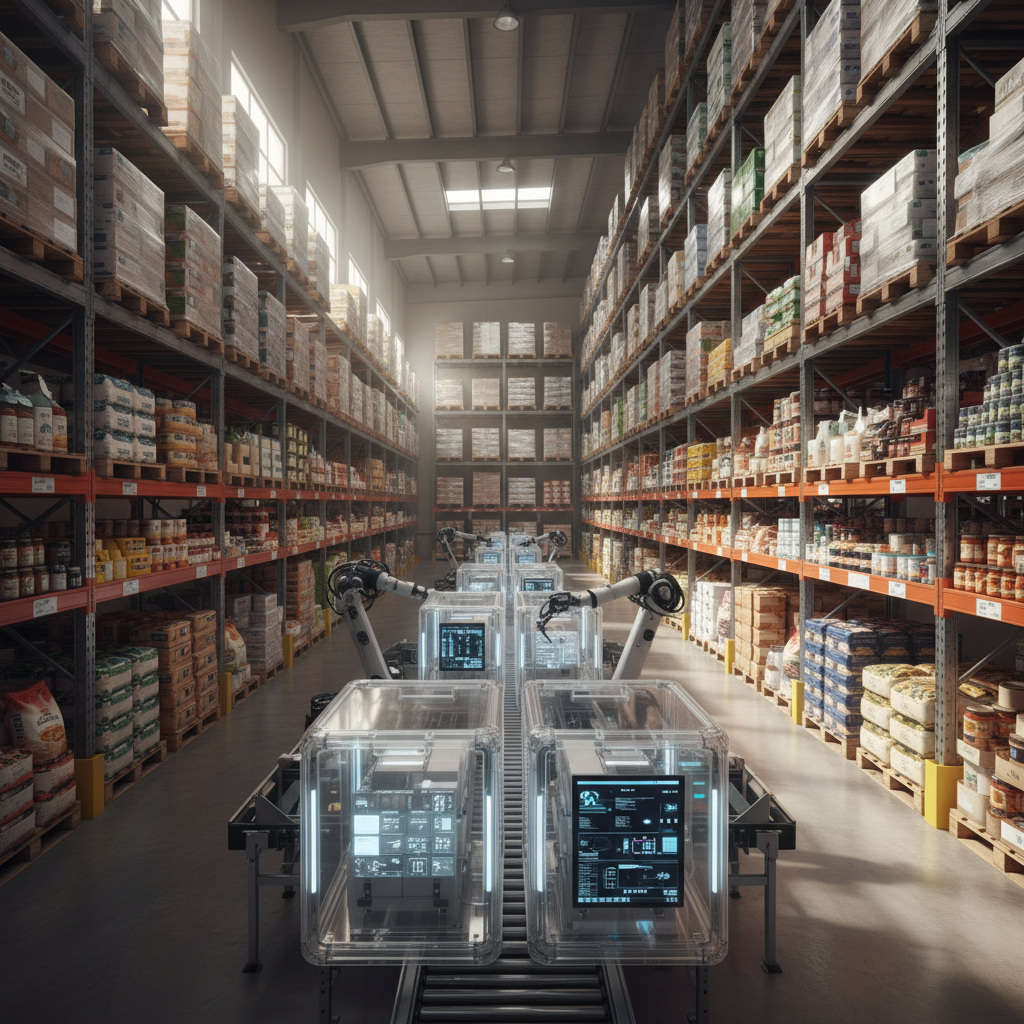
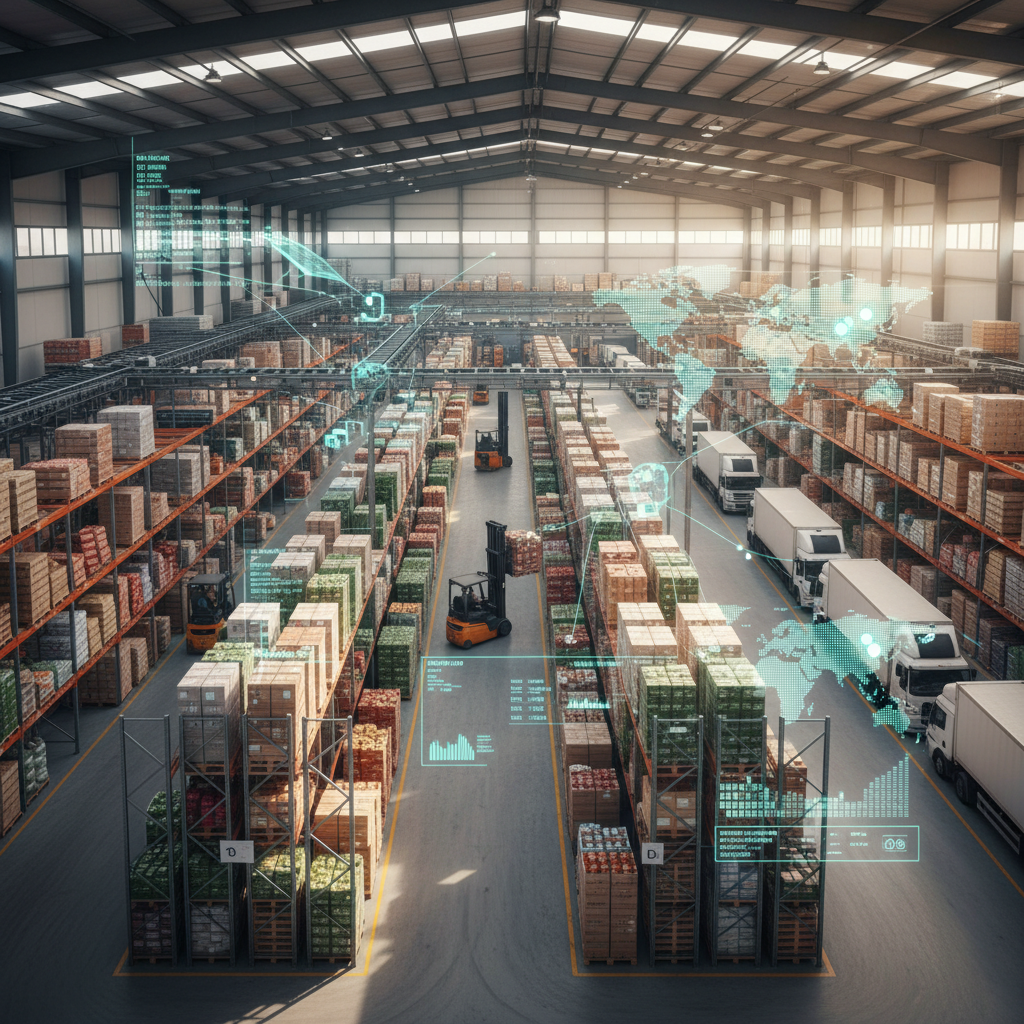
    AI-driven inventory management for food wholesale is a sophisticated approach that uses artificial intelligence and machine learning algorithms to automate and optimize the entire inventory lifecycle. Unlike conventional systems that rely on historical data and human estimates, AI platforms analyze vast datasets, identify complex patterns, and make highly accurate predictions about future demand and optimal stock levels.

    This technology goes beyond simple reorder points. It considers a multitude of dynamic factors unique to the food industry, such as product shelf life, seasonal demand shifts, promotional impacts, weather forecasts, and even social media trends that could influence consumer buying behavior. The goal is to ensure the right products are in the right place at the right time, minimizing costly overstocking and preventing frustrating stockouts, all while drastically reducing food waste.

    How AI-Powered Inventory Actually Works

    Understanding how AI truly works in inventory management can demystify its power and potential. It operates on a continuous feedback loop of data collection, analysis, prediction, and adjustment. Think of it as a highly intelligent, self-learning assistant that gets smarter and more accurate over time.

    Here are the core pillars of its functionality:

    • Data Integration and Aggregation: The foundation of any AI system is data. AI platforms for food wholesale seamlessly integrate data from various sources, including sales records (POS data), enterprise resource planning (ERP) systems, supplier lead times, marketing campaign performance, weather patterns, public holidays, and even external market indicators. This holistic view provides the rich context needed for intelligent analysis.
    • Machine Learning Algorithms: At the heart of the system are powerful machine learning algorithms. These algorithms process the integrated data, identifying subtle correlations and trends that are invisible to human analysis. They can detect patterns in demand seasonality, predict the impact of promotions, and even account for unforeseen disruptions by learning from past events. This field of study is broadly known as Artificial Intelligence.
    • Predictive Demand Forecasting: This is where AI truly shines for food wholesalers. Instead of static forecasts, AI generates dynamic, real-time demand predictions for each SKU, considering its unique characteristics (e.g., fresh produce versus canned goods). It accounts for variables like expiry dates, supplier reliability, and the potential for “bullwhip effect” in the supply chain management.
    • Optimal Inventory Optimization: Based on its demand forecasts, the AI system then calculates optimal reorder points, safety stock levels, and order quantities. It balances the cost of holding inventory against the risk of stockouts and spoilage, ensuring that capital is not tied up unnecessarily and that fresh product is always available.
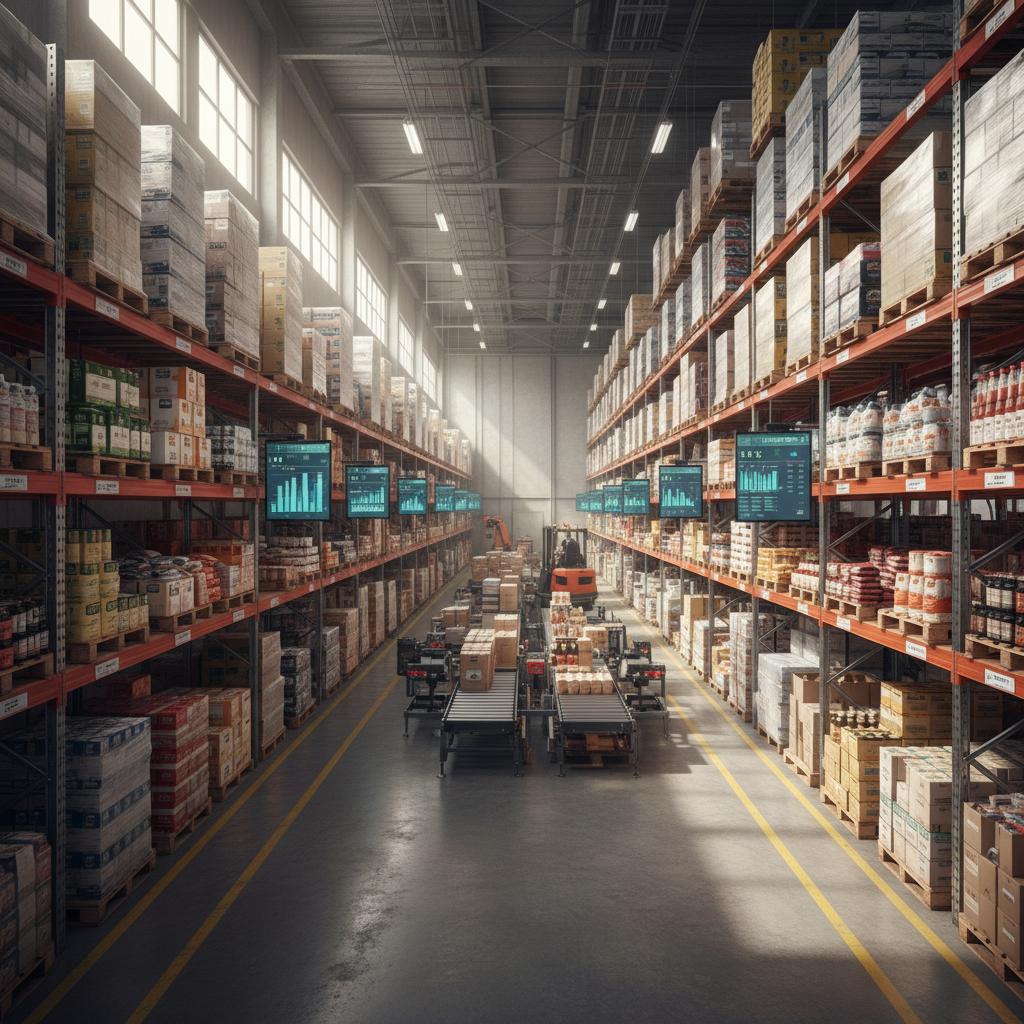
    • Automated Adjustments and Alerts: Many AI inventory systems can automate purchase order generation, trigger alerts for potential stock issues, or suggest transfers between warehouses. This automation significantly reduces manual effort, minimizes human error, and allows teams to focus on strategic tasks rather than reactive problem-solving.

    This systematic approach provides a level of precision and foresight that traditional inventory methods simply cannot match, leading to substantial improvements in efficiency and profitability for food wholesalers.
    How To Implement AI-Driven Inventory Management Step By Step

    Adopting an AI-driven inventory system might seem like a daunting task, but with a structured approach, it can be a smooth and highly beneficial transition. Here’s a step-by-step guide to integrate AI into your food wholesale operations:

    1. Assess Your Current State and Define Goals: Begin by thoroughly evaluating your existing inventory processes, identifying pain points, and outlining what you hope to achieve with AI (e.g., reduce spoilage by X%, improve order fulfillment rate by Y%, cut carrying costs by Z%). Clearly defined goals will guide your implementation and measure success.
    2. Choose the Right AI Solution: Research and select an AI inventory management platform that specifically caters to the complexities of food wholesale. Look for features like shelf-life tracking, multi-location support, and robust forecasting capabilities. Consider scalability and integration with your existing ERP or accounting software. This is where a partner like Prosessed can be invaluable.
    3. Integrate Data Sources: This is a critical step. Connect your AI system to all relevant data streams: sales history, supplier lead times, current stock levels, open purchase orders, promotions, and any external market data you currently track. The more comprehensive and accurate your data, the better the AI’s performance.
    4. Configure AI Parameters and Rules: Work with your vendor to set up initial parameters tailored to your business. This includes defining acceptable risk levels for stockouts, target service levels, and specific rules for different product categories (e.g., highly perishable vs. non-perishable goods).
    5. Start with a Pilot Program: Instead of a full-scale rollout, begin by implementing the AI system for a specific product category, a single warehouse, or a smaller segment of your business. This allows your team to familiarize themselves with the system, identify any initial glitches, and refine processes in a controlled environment.
    6. Monitor, Analyze, and Refine: Continuously track the AI system’s performance against your defined goals. Analyze its forecasts versus actual demand, and monitor key metrics like waste reduction, stockout rates, and inventory turnover. Use these insights to make ongoing adjustments and improve the AI’s accuracy over time.
    7. Train Your Team: Invest in comprehensive training for all employees who will interact with the new system, from warehouse staff to procurement managers. Ensure they understand how to use the interface, interpret the data, and leverage the AI’s recommendations. Empowering your team is crucial for successful adoption.
    8. Scale Up Gradually: Once the pilot program proves successful and your team is comfortable, gradually expand the AI-driven inventory management across your entire operation. Continue to monitor and refine as you scale, leveraging the full power of the system.

    Common Mistakes And Myths

    While the benefits of AI-driven inventory management are clear, a few misconceptions and pitfalls can hinder successful implementation:

    • Myth: AI Replaces Human Expertise. Fact: AI augments human decision-making, it doesn’t replace it. Human insight remains crucial for strategic decisions, supplier negotiations, and handling truly unforeseen circumstances. The AI provides powerful data and recommendations, empowering your team to make better-informed choices.
    • Mistake: Neglecting Data Quality. AI systems are only as good as the data they receive. “Garbage in, garbage out” perfectly applies. Inconsistent, incomplete, or inaccurate data will lead to flawed predictions and poor optimization. Prioritize data cleansing and maintain rigorous data entry protocols.
    • Myth: It’s Only for Large Corporations. Fact: Modern AI solutions are increasingly scalable and accessible, making them viable for small to medium-sized food wholesalers. Cloud-based platforms and modular offerings mean you don’t need a massive IT infrastructure to benefit.
    • Mistake: Expecting Instant Perfection. AI systems learn and improve over time. There will be an initial learning period where the system refines its models based on your specific operational data. Patience and continuous feedback are key to achieving optimal performance.
    • Myth: One-Size-Fits-All Solution. Fact: The food wholesale industry is incredibly diverse. A system designed for general retail might not handle shelf-life complexities or highly volatile produce demand. Seek solutions tailored to the unique challenges of food distribution.
    • Mistake: Skipping Staff Training and Change Management. Resistance to new technology is natural. Without proper training and a clear explanation of how AI benefits individual roles, adoption can be slow. Involve your team early and emphasize how AI will make their jobs easier and more effective.

    Real Life Scenarios

    To illustrate the versatility of AI-driven inventory management, let’s look at how it can solve specific challenges across different types of food wholesalers:

    The Fresh Produce Distributor

    For a distributor dealing primarily with highly perishable fruits and vegetables, AI is a game-changer. It considers daily weather forecasts, upcoming holidays, local events, and even real-time harvest reports to predict demand for specific produce items. This enables more precise ordering, significantly reducing spoilage-related losses and ensuring customers receive the freshest possible product. The system might recommend adjusting orders for lettuce down during a heatwave impacting supply, or increasing orders for berries ahead of a major summer festival.

    The Bulk Goods Supplier

    A wholesaler supplying non-perishable bulk items like grains, oils, or frozen goods faces different challenges: optimizing warehouse space, managing large order quantities, and negotiating favorable bulk purchase prices. AI helps by forecasting long-term demand trends, identifying optimal reorder cycles that account for container shipping lead times, and suggesting when to buy larger quantities to hit price breaks without overcommitting capital. It can also manage inventory across multiple large warehouses, ensuring efficient stock rotation and minimizing storage costs.

    The Specialty Foods Importer

    An importer of niche, gourmet, or exotic food products often grapples with unpredictable international shipping, customs delays, and highly specific customer bases. AI systems can factor in global events, geopolitical stability, and port congestion data to provide more realistic lead time predictions. For a unique truffle oil from Italy, for example, the AI might combine historical sales with current European market trends and known shipping route disruptions to give a precise arrival estimate and suggest appropriate safety stock to prevent stockouts while waiting for the next shipment.

    Prosessed’s Approach

    At Prosessed, we believe that advanced technology should empower, not complicate. Our approach to AI-driven inventory management for food wholesalers centers on creating intuitive, powerful solutions that directly address the unique challenges of your industry. We focus on seamless data integration, intelligent forecasting tailored to product perishability, and actionable insights that drive real-world results.

    We’re committed to making AI accessible and user-friendly, ensuring that your team can quickly adopt and leverage the system’s capabilities without extensive technical expertise. Our platform is designed to learn and adapt with your business, constantly refining its predictions to keep pace with market dynamics. We aim to transform your inventory from a source of stress into a strategic asset.

    Still Not Sure?

    It’s natural to have questions when considering such a significant technological shift. Here are answers to some common concerns:

    Q: Is AI inventory management too complex for my existing team to handle?
    A: Not at all. Modern AI solutions, like those from Prosessed, are designed with user experience in mind. They feature intuitive dashboards, clear visualizations, and automated processes that simplify complex tasks. We also provide comprehensive training and support to ensure your team is confident and proficient.

    Q: How quickly can I expect to see a return on investment (ROI)?
    A: While specific ROI varies based on your operation’s size and current inefficiencies, many food wholesalers experience significant improvements within months. Reductions in spoilage, fewer stockouts, optimized purchasing, and improved operational efficiency quickly translate into tangible cost savings and increased profits. We encourage you to explore our pricing and potential ROI models.

    Q: What if market conditions drastically change? Can the AI adapt?
    A: Absolutely. One of AI’s core strengths is its ability to adapt. Unlike static models, AI systems continuously ingest new data, learn from recent trends, and update their predictions in real-time. If there’s a sudden surge in demand for a specific product or an unexpected supply chain disruption, the system adjusts its recommendations dynamically to help you respond effectively.

    Making It Work Long Term

    Implementing an AI-driven inventory system is a journey, not a one-time event. To ensure sustained success and maximize its long-term benefits, consider these ongoing practices:

    • Regular Data Audits: Periodically review and clean your input data. Ensure accuracy, consistency, and completeness across all integrated systems. High-quality data is the fuel for optimal AI performance.
    • Continuous Team Education: As your business evolves and the AI system itself potentially receives updates, ensure your team stays informed and trained. Regular refreshers and sharing best practices can enhance usage and adoption.
    • Feedback Loop with the AI System: Treat the AI as a learning partner. Provide feedback on its predictions, especially when human intervention was required. This helps the system learn from exceptions and continuously improve its accuracy.
    • Stay Updated with Software: Keep your AI platform updated to the latest versions. Vendors frequently release enhancements, new features, and performance improvements that can further optimize your inventory management.
    • Integrate New Data Sources: As your business grows or new market information becomes available, explore integrating additional data sources into your AI system. This could include new logistics data, customer relationship management (CRM) insights, or expanded external market intelligence.
    Summary & Takeaway

    The food wholesale industry faces unprecedented challenges, but also incredible opportunities through technological advancement. AI-driven inventory management stands out as a powerful solution, offering unparalleled precision in demand forecasting, significant reductions in waste, and substantial improvements in operational efficiency and profitability. By embracing this technology, food wholesalers can move beyond reactive stock management to a proactive, predictive model that ensures they are always prepared for what’s next.

    Ready to transform your food wholesale operations and minimize waste? Discover how Prosessed’s AI-powered solutions can optimize your inventory and drive your business forward. ✨ Get Started Free today and experience the future of inventory management.

    Sources

    Frequently Asked Questions (FAQ)

    Q: What is the primary benefit of AI in food wholesale inventory management?
    A: The primary benefit is significantly improved accuracy in demand forecasting, leading to reduced food waste, minimized stockouts, lower carrying costs, and ultimately, increased profitability and customer satisfaction.

    Q: Can AI systems predict demand for highly seasonal items like fresh produce?
    A: Yes, AI is exceptionally good at handling seasonality. It analyzes historical patterns, considers external factors like weather and holidays, and continuously learns to make highly accurate predictions for even the most volatile and seasonal products.

    Q: How does AI help reduce food waste?
    A: By providing precise demand forecasts and optimizing inventory levels, AI ensures that you order only what you need, when you need it. This minimizes overstocking of perishable goods, allowing products to be sold before they expire, thereby drastically reducing spoilage and waste.

    Q: Is AI inventory management suitable for small to medium-sized wholesalers?
    A: Absolutely. While once exclusive to large enterprises, modern AI solutions are scalable and cost-effective, making them accessible and highly beneficial for small to medium-sized food wholesalers looking to optimize their operations and compete more effectively.

    Q: What data does an AI inventory system typically need to function effectively?
    A: An AI system thrives on comprehensive data. It typically requires sales history, current inventory levels, supplier lead times, purchase order data, marketing campaign information, and can be enhanced by external data such as weather forecasts, economic indicators, and public event schedules.

  • Intelligent Container Planning: A Pillar Guide for Food Logistics

    Intelligent Container Planning: A Pillar Guide for Food Logistics

    The intricate world of food logistics often feels like a high-stakes puzzle, where every piece-from inventory to transport-must fit perfectly to avoid costly delays, spoilage, and operational inefficiencies. Businesses grapple daily with rising fuel costs, labor shortages, and the critical need to maintain product integrity, especially for perishable goods. These challenges can erode profit margins and strain customer relationships, leaving many seeking more intelligent solutions to optimize their supply chain.

    Imagine a system where every container, pallet, and truck is utilized to its fullest potential, not through guesswork, but through precise, data-driven decisions. This is the promise of intelligent container planning for food logistics. At Prosessed, we understand these pain points deeply. This comprehensive guide will explore how advanced planning transforms food distribution, minimizes waste, and maximizes profitability, helping your business move from reactive problem-solving to proactive, strategic optimization.

    What Is Intelligent Container Planning for Food Logistics?

    Intelligent container planning for food logistics is a sophisticated, data-driven approach to optimizing the loading, routing, and delivery of food products within the supply chain. It goes far beyond traditional manual methods of packing and shipping. This strategy leverages advanced analytics, artificial intelligence (AI), and machine learning (ML) to make informed decisions about how goods are consolidated, arranged, and transported, ensuring maximum efficiency and product integrity.

    At its core, it involves calculating the optimal way to fill containers-whether they are crates, pallets, truck trailers, or shipping containers-taking into account numerous variables. These variables include item dimensions, weight, fragility, stacking restrictions, temperature requirements, delivery routes, and even regulatory compliance. The goal is to minimize empty space, reduce fuel consumption, prevent damage, and accelerate delivery times, all while maintaining the strict quality standards essential for food products.

    This intelligent approach is particularly vital in the food industry due to the perishable nature of many products and the strict cold chain requirements. It helps to prevent food waste, a significant global concern, by ensuring products reach their destination in optimal condition. For more context on the broader field of goods movement, consider exploring the principles of Logistics on Wikipedia.

    How Intelligent Container Planning Actually Works

    Intelligent container planning systems operate on a foundation of robust data and powerful algorithms. They create a “mental model” of your entire logistics operation, analyzing vast amounts of information to generate the most efficient loading plans. Here are the core pillars of how these systems function:

    1. Data Ingestion and Analysis:
      • Product Specifications: Detailed data on each food item, including exact dimensions (length, width, height), weight, stacking limitations (e.g., “do not stack heavy items on top”), temperature zones, and any special handling instructions.
      • Container/Vehicle Profiles: Information about the available containers, pallets, trucks, or vessels-their internal dimensions, weight capacities, and compartment configurations.
      • Order Data: Real-time order volumes, destination addresses, delivery windows, and customer-specific requirements.
      • Route Optimization: Integration with mapping and GPS data to understand shortest routes, traffic patterns, and delivery sequences.
    2. Advanced Algorithmic Optimization:
      • 3D Loading Algorithms: Sophisticated algorithms calculate the best possible arrangement of items within a container, maximizing volumetric efficiency. This considers weight distribution, stability, and product compatibility.
      • Constraint-Based Planning: The system adheres strictly to defined rules and constraints, such as keeping frozen goods separate from refrigerated items, placing fragile items carefully, or preventing cross-contamination risks.
      • Predictive Analytics: AI and machine learning models analyze historical data to predict future demand, optimize inventory placement, and anticipate potential bottlenecks, allowing for proactive adjustments.
    3. Real-time Adjustments and Dynamic Planning:
      • Sensor Integration: In cold chain logistics, temperature and humidity sensors provide real-time data, allowing the system to flag deviations and suggest immediate corrective actions or rerouting if necessary.
      • Traffic and Weather Updates: Live data feeds enable dynamic route adjustments, minimizing delays due to unforeseen circumstances.
      • Immediate Recalculations: If an order changes, a vehicle breaks down, or a delivery is cancelled, the system can instantly recalculate optimal loading and routing plans for remaining shipments.
    4. Reporting and Performance Metrics:
      • Utilization Rates: Detailed reports on how effectively containers are being filled.
      • Cost Savings: Analysis of reduced fuel consumption, labor hours, and waste.
      • Delivery Performance: Metrics on on-time delivery rates and customer satisfaction.
      • Sustainability Impact: Tracking reductions in carbon footprint due to optimized routes and fewer trips.

    This integrated approach allows food businesses to move beyond manual estimations, which are prone to error and inefficiency, towards a truly optimized and responsive logistics operation. Learn more about the complexity of managing global goods movement by reviewing the Supply Chain Management overview on Wikipedia.

    How To Implement Intelligent Container Planning Step By Step

    Adopting intelligent container planning can seem daunting, but a structured approach ensures a smooth transition and maximizes benefits. Here are the key steps for successful implementation:

    1. Assess Current Operations & Define Goals:
      Begin by auditing your existing logistics processes. Identify pain points such as high freight costs, frequent spoilage, inefficient loading times, or customer complaints about late deliveries. Clearly define your objectives: Is it to reduce shipping costs by 15%? Improve on-time delivery rates to 98%? Minimize food waste? Having specific, measurable goals will guide your implementation.
    2. Gather and Standardize Data:
      Data is the lifeblood of intelligent planning. Collect comprehensive data on all your products (dimensions, weight, special handling), containers (dimensions, capacity), and historical shipping records. Ensure this data is accurate, consistent, and easily accessible. This may involve integrating various internal systems.
    3. Select the Right Technology Partner:
      Research and choose an intelligent container planning software solution that aligns with your specific needs and integrates well with your existing ERP or WMS. Look for features like 3D visualization, real-time optimization, cold chain management capabilities, and strong reporting tools. Consider a platform like Prosessed that specializes in optimizing complex logistics. You can explore our Products to see how we can assist.
    4. Integrate Systems and Configure Parameters:
      Work with your chosen provider to integrate the new system with your enterprise resource planning (ERP) or warehouse management system (WMS). Configure the software with all your specific business rules, constraints (e.g., maximum load weight, specific stacking rules for delicate items), and cold chain requirements.
    5. Pilot Program and User Training:
      Start with a small-scale pilot project in a specific distribution center or for a particular product line. This allows you to identify and resolve any initial issues without disrupting your entire operation. Crucially, train your staff-from warehouse loaders to logistics managers-on how to use the new system effectively. User adoption is key to success.
    6. Monitor, Analyze, and Refine:
      Once fully implemented, continuously monitor the system’s performance against your defined KPIs. Use the analytics and reporting tools to identify areas for further improvement. Are there specific routes that consistently underperform? Can certain loading patterns be optimized even further? Intelligent systems learn over time, so ongoing refinement is essential.

    Common Mistakes And Myths About Container Planning

    Implementing intelligent container planning can be transformative, but misconceptions can hinder success. Here are common pitfalls and myths to avoid:

    • “It’s Just About Stacking Tightly”: This is a major oversimplification. Intelligent planning optimizes for dozens of variables beyond just space, including weight distribution, stability, temperature zones, item fragility, loading sequence, and delivery routes.
    • “Too Expensive for Small Businesses”: While advanced solutions require investment, the ROI through reduced spoilage, lower fuel costs, and improved efficiency often outweighs the initial outlay, even for smaller operations. The cost of inefficiency can far exceed the cost of a solution.
    • “Our Manual Planners Are Good Enough”: Experienced planners are invaluable, but even the best human mind cannot process the sheer volume of real-time data and complex variables that an AI-driven system can, leading to sub-optimal solutions and missed opportunities for savings.
    • “One-Time Setup and Done”: Intelligent planning is an ongoing process. Data changes, routes evolve, and customer demands shift. The system requires continuous monitoring, data updates, and periodic recalibration to maintain peak performance.
    • “It Replaces All Human Judgment”: Instead, it augments human capability. The system provides optimized plans, freeing up human experts to focus on strategic decisions, handle exceptions, and manage relationships, rather than tedious manual calculations.
    • “Only for Dry Goods”: On the contrary, intelligent container planning is arguably even more critical for perishable food items. It ensures cold chain integrity, minimizes transit times, and reduces spoilage risk, directly impacting food safety and waste. For more information on food quality, consider visiting the Food Quality page on Wikipedia.

    Real Life Scenarios for Intelligent Container Planning

    Intelligent container planning offers tangible benefits across various segments of the food logistics industry:

    Small-to-Medium Food Distributor

    A regional distributor delivering fresh produce and baked goods to grocery stores and restaurants faces tight margins and daily delivery schedules. They typically use a fleet of medium-sized trucks. Without intelligent planning, drivers or warehouse staff might manually load trucks, leading to inefficient space utilization, trucks leaving half-empty, or requiring extra trips. With an intelligent system, the distributor can:

    • Optimize routes to combine multiple stops effectively.
    • Consolidate orders across different customers into fewer, more fully-loaded trucks.
    • Minimize fuel costs by reducing the number of trips and optimizing mileage.
    • Reduce spoilage by ensuring perishable items are packed optimally for their specific delivery window and temperature requirements.
    • Streamline loading processes, cutting down on labor hours in the warehouse.

    Large-Scale Food Manufacturer

    A major food manufacturer produces a wide range of frozen, refrigerated, and ambient products, shipping them to national distribution centers and major retailers. Their logistics involve complex multi-modal transport-trucks, trains, and sometimes ocean freight. Their challenge is immense complexity and scale. Intelligent container planning allows them to:

    • Optimize inter-DC transfers, ensuring trailers are always fully utilized for cost-efficiency.
    • Manage temperature-controlled zones within mixed-load containers, preventing cross-contamination and spoilage.
    • Handle seasonal peaks in demand by dynamically adjusting capacity and consolidating shipments more effectively.
    • Achieve significant freight cost savings through superior cube and weight utilization across their vast network.
    • Enhance their sustainability profile by reducing unnecessary trips and carbon emissions.

    Perishable Goods Supplier (e.g., Seafood or Dairy)

    A supplier specializing in highly perishable goods like fresh seafood or dairy products faces extreme pressure to ensure rapid, damage-free delivery while maintaining strict temperature controls. Even minor delays or improper packing can lead to significant waste and health risks. Intelligent planning helps them:

    • Prioritize rapid transit and first-in, first-out (FIFO) inventory management at the container level.
    • Design precise loading plans that guarantee optimal airflow and consistent temperature distribution throughout the container.
    • Minimize handling time at loading docks through pre-planned, easy-to-access packing arrangements.
    • Provide detailed documentation for regulatory compliance and traceability, critical for fresh food products.
    • Significantly reduce product loss due to spoilage, directly impacting profitability and brand reputation.

    Prosessed’s Approach to Intelligent Container Planning

    At Prosessed, we believe that intelligent logistics shouldn’t be a luxury, but a fundamental pillar of modern food supply chains. Our approach to intelligent container planning is rooted in providing powerful, yet intuitive, solutions that address the specific challenges of the food industry.

    We combine cutting-edge AI and machine learning with a deep understanding of food logistics intricacies-from cold chain requirements to delicate product handling. Our platform is designed to seamlessly integrate with your existing systems, providing real-time data insights and predictive analytics that transform how you view and manage your shipments. We focus on delivering measurable outcomes: significant cost reductions, minimized waste, enhanced delivery performance, and improved sustainability.

    We empower your team by taking the guesswork out of complex loading scenarios, allowing them to focus on strategic decisions and customer satisfaction. With Prosessed, you gain a partner dedicated to helping you achieve unparalleled efficiency and resilience in your food logistics operations. Ready to see the difference? ✨ Get Started Free with us today.

    Still Not Sure? Answering Your Key Questions

    It’s natural to have questions when considering a significant operational shift like intelligent container planning. Here are some common concerns:

    Q: Is this technology only for very large enterprises?
    A: Not at all. While large enterprises certainly benefit, the modular nature of modern intelligent planning software means it’s scalable for businesses of all sizes. Even small-to-medium distributors can realize significant ROI by optimizing their existing fleet and reducing waste, freeing up capital for growth.

    Q: How long does implementation typically take?
    A: Implementation time varies depending on the complexity of your existing systems and data. However, with a dedicated team and clear data, many businesses can see initial operational benefits within a few weeks to a few months. Our goal at Prosessed is to make the onboarding process as streamlined and efficient as possible.

    Q: What if our product mix constantly changes?
    A: Intelligent container planning systems are built for dynamic environments. They excel at adapting to fluctuating product mixes, seasonal demand, and new SKU introductions. By inputting updated product data, the system can instantly generate new optimal loading plans, ensuring you remain agile.

    Q: What kind of IT support is required to maintain such a system?
    A: Most modern intelligent planning solutions, including Prosessed, are cloud-based SaaS (Software as a Service) platforms. This means the vendor handles the infrastructure, updates, and maintenance. Your internal IT team would primarily be involved in the initial integration and ensuring data flow, rather than ongoing system upkeep.

    Q: Can it really help reduce food waste?
    A: Absolutely. By optimizing loading to prevent damage, ensuring proper temperature control through precise planning, and accelerating delivery times, intelligent container planning directly contributes to significantly reducing spoilage and waste throughout the supply chain. This is a critical factor for both profitability and environmental responsibility.

    Making It Work Long Term: Continuous Optimization

    Implementing intelligent container planning is the first step; maintaining its effectiveness and continually deriving value requires ongoing effort. Here’s how to ensure long-term success:

    • Maintain Data Quality: Regularly audit and update your product dimensions, weights, and special handling instructions. Inaccurate data will lead to sub-optimal plans.
    • Regular Training Refreshers: As your team grows or processes evolve, ensure new and existing staff receive periodic training refreshers on using the system and understanding its outputs.
    • Monitor KPIs Consistently: Don’t just set it and forget it. Keep a close eye on your key performance indicators (KPIs) like container utilization, fuel costs, on-time delivery rates, and spoilage reduction.
    • Feedback Loop: Establish a clear channel for feedback from warehouse staff, drivers, and logistics managers. Their practical insights are invaluable for fine-tuning the system’s parameters and identifying areas for improvement.
    • Leverage Analytics: Use the powerful reporting and analytics features of your planning software to identify trends, predict future challenges, and make data-backed strategic decisions about your logistics network.
    • Stay Updated: Work closely with your technology partner to understand and implement new features and updates to the software. These enhancements can offer even greater efficiencies.

    Summary: The Future of Food Logistics is Intelligent

    The challenges facing food logistics are only growing, from increasing consumer demand for fresh products to the imperative for sustainability. Intelligent container planning is no longer a niche luxury; it’s a strategic necessity for businesses aiming to thrive in this complex environment. By embracing data-driven optimization, food companies can unlock significant efficiencies, drastically reduce waste, lower operational costs, and build a more resilient and responsive supply chain.

    At Prosessed, we are committed to providing the tools and expertise to make this future a reality for your business. Transform your logistics from a costly burden into a competitive advantage. Explore how our solutions can revolutionize your operations and pave the way for a more profitable and sustainable future. Don’t let valuable space and precious cargo go to waste. Start optimizing today.

    Ready to streamline your food logistics? ✨ Get Started Free with Prosessed and discover the power of intelligent container planning.

    Sources

    Frequently Asked Questions

    Q: What are the primary benefits of intelligent container planning for food businesses?
    A: The main benefits include significant cost reduction through optimized space utilization and reduced fuel consumption, minimized food waste and spoilage due to better handling and temperature control, improved delivery efficiency and on-time performance, and enhanced sustainability through fewer trips and lower carbon emissions.

    Q: How does intelligent planning differ from traditional manual planning?
    A: Traditional manual planning relies on human experience and estimation, which can be prone to errors and sub-optimal loading. Intelligent planning uses advanced algorithms, AI, and real-time data to consider thousands of variables simultaneously, creating far more efficient, precise, and dynamic loading and routing plans than humans can achieve alone.

    Q: Is specialized hardware required for intelligent container planning?
    A: Generally, no. Most modern intelligent container planning solutions are software-based, often delivered as cloud-based SaaS. While integration with existing warehouse systems (like scanners, scales, or temperature sensors) is beneficial, it typically doesn’t require entirely new hardware infrastructure.

    Q: Can intelligent container planning adapt to sudden changes in orders or routes?
    A: Yes, one of its core strengths is adaptability. Intelligent systems can process real-time updates-like new orders, cancellations, or traffic delays-and quickly recalculate optimal loading and routing plans, minimizing disruption and maintaining efficiency.

    Q: How does this technology contribute to food safety and compliance?
    A: By meticulously planning for temperature-controlled zones, ensuring proper segregation of different food types, minimizing transit times, and reducing product damage, intelligent container planning directly supports food safety protocols. It also aids in maintaining traceability and adherence to regulatory compliance standards.