
In the fast-paced world of food wholesale, managing inventory and ensuring timely deliveries are paramount. The constant battle against spoilage, unexpected stockouts, and the sheer complexity of fluctuating demand can be overwhelming, often leading to wasted resources and lost revenue. Imagine a scenario where you could predict exactly what your customers need, when they need it, and how much, all while minimizing waste and maximizing freshness.
This isn’t just a dream; it’s the reality enabled by predictive ordering software. For food wholesalers looking to streamline operations, cut costs, and enhance customer satisfaction, adopting a data-driven approach to procurement is no longer optional-it’s essential. This comprehensive guide will walk you through everything you need to know about predictive ordering software, helping you transform your procurement strategy from reactive to proactively brilliant.
What Is Predictive Ordering Software?
Predictive ordering software is an advanced technological solution that leverages historical data, market trends, seasonal patterns, and even external factors like weather or events, to forecast future demand with remarkable accuracy. For food wholesalers, this means moving beyond manual estimations or simple reorder points, which often fall short in dynamic environments.
At its core, this software uses sophisticated algorithms-often incorporating artificial intelligence (AI) and machine learning (ML)-to analyze vast datasets. The goal is to provide intelligent recommendations for what to order, when to order it, and in what quantities. This ensures that you have the right products in stock at the right time, minimizing the risk of both overstocking (leading to spoilage and waste) and understocking (resulting in lost sales and frustrated customers).
How Predictive Ordering Software Actually Works
The magic behind predictive ordering software lies in its ability to process and interpret data far beyond human capabilities. While the underlying technology can be complex, the operational model can be broken down into several key pillars:
- Data Collection and Aggregation: The software continuously gathers data from various sources. This includes your historical sales records, customer ordering patterns, delivery schedules, supplier lead times, and current inventory levels. It can also integrate external data like economic indicators, local events, or even real-time weather forecasts that might impact demand for certain food items.
- Advanced Algorithm Analysis: Once data is collected, powerful algorithms get to work. These algorithms identify patterns, trends, and correlations that human analysis might miss. They learn from past performance, recognizing how different variables interact to influence demand for specific products.
- Demand Forecasting: Based on the analyzed data, the software generates highly accurate demand forecasts for each item in your inventory. These forecasts are dynamic, adjusting in real-time as new data becomes available or market conditions change.
- Optimized Ordering Recommendations: With accurate forecasts in hand, the system calculates optimal order quantities and timing. It considers factors like minimum order quantities, package sizes, shelf life, storage capacity, and supplier discounts to create a procurement plan that balances cost-efficiency with availability.
- Continuous Learning and Adaptation: Predictive ordering software is not static. It’s designed to learn from its own predictions and actual outcomes. If a forecast proves slightly off, the system adjusts its models to improve accuracy for future cycles, making it smarter and more precise over time.

How To Implement Predictive Ordering Software Step By Step
Implementing a new software solution might seem daunting, but with a structured approach, food wholesalers can seamlessly integrate predictive ordering into their operations. Here’s a step-by-step guide:
- Assess Your Current Procurement Process: Before introducing new technology, understand your existing strengths and weaknesses. Document current ordering workflows, identify pain points like frequent stockouts or excessive waste, and pinpoint where manual efforts are creating bottlenecks.
- Identify Key Data Sources: Determine where your critical data resides. This includes sales data from your ERP or POS system, inventory levels, supplier information, and any manual records. Ensure data cleanliness and accessibility, as the software is only as good as the data it feeds on.
- Choose the Right Software Partner: Research solutions tailored for food wholesale. Look for features like seasonality management, perishability tracking, multiple vendor support, and ease of integration. Consider a platform like Prosessed, designed to simplify complex procurement.
- Integrate Systems: A crucial step is integrating the predictive ordering software with your existing systems, such as your Enterprise Resource Planning (ERP) system, inventory management system, and accounting software. This ensures a seamless flow of data and prevents silos.
- Pilot and Train Staff: Start with a pilot program on a select range of products or a specific branch. This allows your team to familiarize themselves with the software in a controlled environment. Comprehensive training for all relevant staff-buyers, warehouse managers, and sales teams-is vital for successful adoption.
- Monitor, Analyze, and Refine: Once fully implemented, continuously monitor the software’s performance. Compare its predictions against actual demand, analyze key metrics like inventory turnover and waste reduction, and use these insights to fine-tune settings and improve accuracy. Regular review meetings can help identify areas for improvement.
Common Mistakes And Myths About Predictive Ordering
Adopting new technology can sometimes come with misconceptions. Here are common mistakes to avoid and myths to debunk about predictive ordering software:
- Mistake: Expecting “Set It and Forget It” – Predictive software is powerful, but it’s not entirely autonomous. It requires initial setup, ongoing monitoring, and occasional adjustments based on strategic decisions or unforeseen market shifts.
- Myth: It’s Only for Large Enterprises – While large businesses benefit significantly, scalable predictive ordering solutions are increasingly available for small to medium-sized food wholesalers, offering comparable advantages in efficiency and cost savings.
- Mistake: Ignoring Data Quality – Poor quality data (inaccurate sales records, incomplete supplier info) will lead to poor predictions. Garbage in, garbage out. Invest time in data cleansing and consistent data entry practices.
- Myth: It Replaces Human Judgment Entirely – Predictive software is a tool to empower human decision-makers, not replace them. Human insight is still crucial for strategic decisions, managing exceptions, and interpreting nuanced market signals the algorithm might not yet understand.
- Mistake: Overlooking Training and Adoption – Even the best software won’t deliver if your team doesn’t understand how to use it or resists its adoption. Invest in thorough training and emphasize the benefits for their day-to-day work.
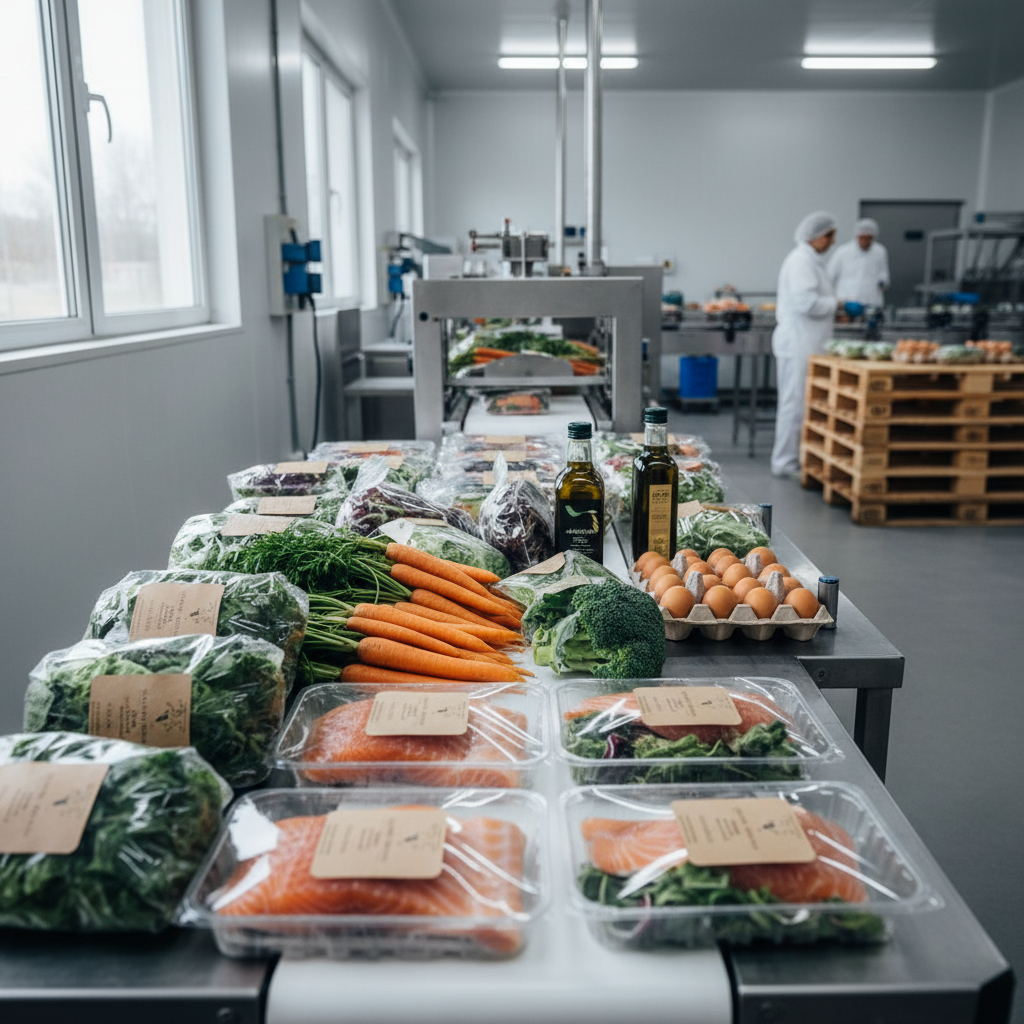
Real Life Scenarios
Let’s explore how predictive ordering software impacts different types of food wholesalers:
Scenario 1: The Busy Restaurant Supplier
A wholesaler supplying dozens of restaurants daily faces fluctuating orders based on weekly menus, special events, and even local weather (e.g., more soup sold on cold days). Manually forecasting is a nightmare, leading to over-ordering perishables like fresh produce and seafood or running out of popular items. With predictive ordering, the system analyzes historical restaurant orders, known menu changes, upcoming holidays, and even local event calendars. It recommends precise quantities, reducing spoilage by 20% and ensuring ingredients are always fresh and available, strengthening restaurant partnerships.
Scenario 2: The Expanding Grocery Distributor
A distributor serving multiple grocery chains needs to manage thousands of SKUs, each with its own demand pattern, shelf life, and supplier lead time. As they expand into new regions, managing this complexity manually becomes impossible. Predictive ordering software integrates with each grocery store’s sales data, forecasts demand for specific items by location, and even optimizes routing for delivery. This allows the distributor to scale operations efficiently, reduce transportation costs, and maintain high fill rates across their expanding network.
Scenario 3: The Specialty Food Importer
An importer of unique gourmet food items from around the world deals with long lead times, variable shipping schedules, and highly seasonal demand (e.g., holiday-specific goods). Manual inventory planning often results in large capital tied up in slow-moving stock or missed sales opportunities due to delayed shipments. Predictive software factors in international shipping times, customs clearances, currency fluctuations, and specific cultural event calendars. It provides clear visibility into future stock needs, optimizing cash flow and ensuring high-value, niche products arrive precisely when market demand peaks.
Prosessed’s Approach to Predictive Ordering
At Prosessed, we understand the unique challenges faced by food wholesalers. Our approach to predictive ordering software is built on the principles of simplicity, power, and actionable insights. We believe that sophisticated technology shouldn’t require an advanced degree to operate. Instead, it should be intuitively designed to integrate seamlessly into your existing workflows, empowering your team to make smarter decisions.
Our platform leverages cutting-edge AI and machine learning to analyze your specific operational data, delivering highly accurate forecasts tailored to your unique product catalog, customer base, and market dynamics. We focus on providing clear, actionable recommendations that reduce waste, optimize inventory levels, and ultimately boost your profitability. Our goal is to transform your procurement from a cost center into a strategic advantage, giving you a competitive edge in a demanding market.
We invite you to explore our products and discover how Prosessed can be the partner you need to navigate the complexities of modern food wholesale with confidence.
Still Not Sure? Addressing Your Concerns
It’s natural to have questions when considering a significant operational upgrade. Here are answers to some common concerns about predictive ordering software:
Q: Is predictive ordering software too complex for my business?
A: Modern predictive ordering software, especially solutions like Prosessed, are designed with user-friendliness in mind. While the underlying technology is sophisticated, the user interface is intuitive, making it accessible even for teams without a deep technical background. Our focus is on providing clear, actionable insights, not overwhelming data.
Q: What about unexpected events or sudden market changes? Can the software handle those?
A: While no software can predict every black swan event, advanced predictive ordering systems are built to be dynamic. They continuously learn and adapt. Sudden shifts in demand, supply chain disruptions, or new trends can be quickly incorporated into the models, allowing the system to adjust forecasts and recommendations much faster than manual methods.
Q: How quickly can I expect to see a Return on Investment (ROI)?
A: The ROI can vary depending on your current operational inefficiencies, but many food wholesalers see significant improvements within the first few months. Reductions in spoilage, fewer stockouts, optimized ordering, and improved operational efficiency directly translate to cost savings and increased revenue. We encourage you to reach out to our team to discuss your specific situation and potential ROI scenarios.
Making It Work Long Term
Implementing predictive ordering software is a crucial first step, but ensuring its long-term success requires ongoing commitment:
- Regular Data Audits: Consistently review the quality and accuracy of your input data. Clean data is the lifeblood of accurate predictions.
- Stay Updated with Software Features: Software providers frequently release updates and new features. Ensure your team stays informed and utilizes these enhancements to maximize the system’s benefits.
- Continuous Staff Training: As your business evolves and new team members join, ongoing training will ensure everyone is proficient in using the software and understands its capabilities.
- Adapt to Market Changes: While the software adapts automatically, human oversight is vital for recognizing broader market shifts, new product trends, or competitor actions that might require strategic adjustments to the software’s parameters.
- Foster a Data-Driven Culture: Encourage your team to embrace data and analytics. When everyone understands the value of accurate forecasting, the entire organization benefits from more efficient operations.
Ready to Transform Your Procurement?
The journey to mastering procurement in food wholesale begins with embracing innovative solutions. Predictive ordering software offers a clear path to reducing waste, optimizing inventory, and ensuring your customers always have access to fresh, high-quality products. It’s an investment that pays dividends in efficiency, profitability, and customer loyalty.
Don’t let manual processes hold your business back. Explore how Prosessed can revolutionize your food wholesale operations. Take the first step towards a smarter, more profitable future by checking our pricing options today.
Sources
- Supply Chain Management – Wikipedia
- Inventory Control – Wikipedia
- Demand Forecasting – Wikipedia
- Food Waste – Wikipedia
- Machine Learning – Wikipedia
Frequently Asked Questions About Predictive Ordering Software
Q: What kind of data does predictive ordering software primarily use?
A: It primarily uses historical sales data, current inventory levels, supplier lead times, seasonal trends, and often integrates external factors like market data, economic indicators, and even weather patterns to make its forecasts.
Q: How long does it typically take to implement predictive ordering software?
A: Implementation time varies based on the complexity of your existing systems and the volume of data. A pilot program might take a few weeks, with full integration and optimization potentially spanning a few months. Solutions like Prosessed aim to streamline this process.
Q: Can predictive ordering software integrate with my existing ERP or accounting system?
A: Yes, most modern predictive ordering solutions are designed for seamless integration with popular ERP, POS, and accounting systems. This ensures data consistency and automates workflows across your business operations.
Q: What are the main benefits for a food wholesaler?
A: Key benefits include significant reductions in food waste and spoilage, optimized inventory levels, improved cash flow, fewer stockouts and lost sales, enhanced customer satisfaction due to consistent product availability, and increased operational efficiency.
Q: Is this software only for perishable goods, or can it manage non-perishable inventory too?
A: While it offers immense value for managing perishables due to their limited shelf life, predictive ordering software is equally effective for non-perishable goods. It optimizes inventory levels, minimizes carrying costs, and ensures popular items are always in stock, regardless of their shelf stability.