Introduction
The food distribution industry is undergoing a major transformation. With rising demand, complex supply chains, and fluctuating market conditions, traditional systems struggle to keep up.
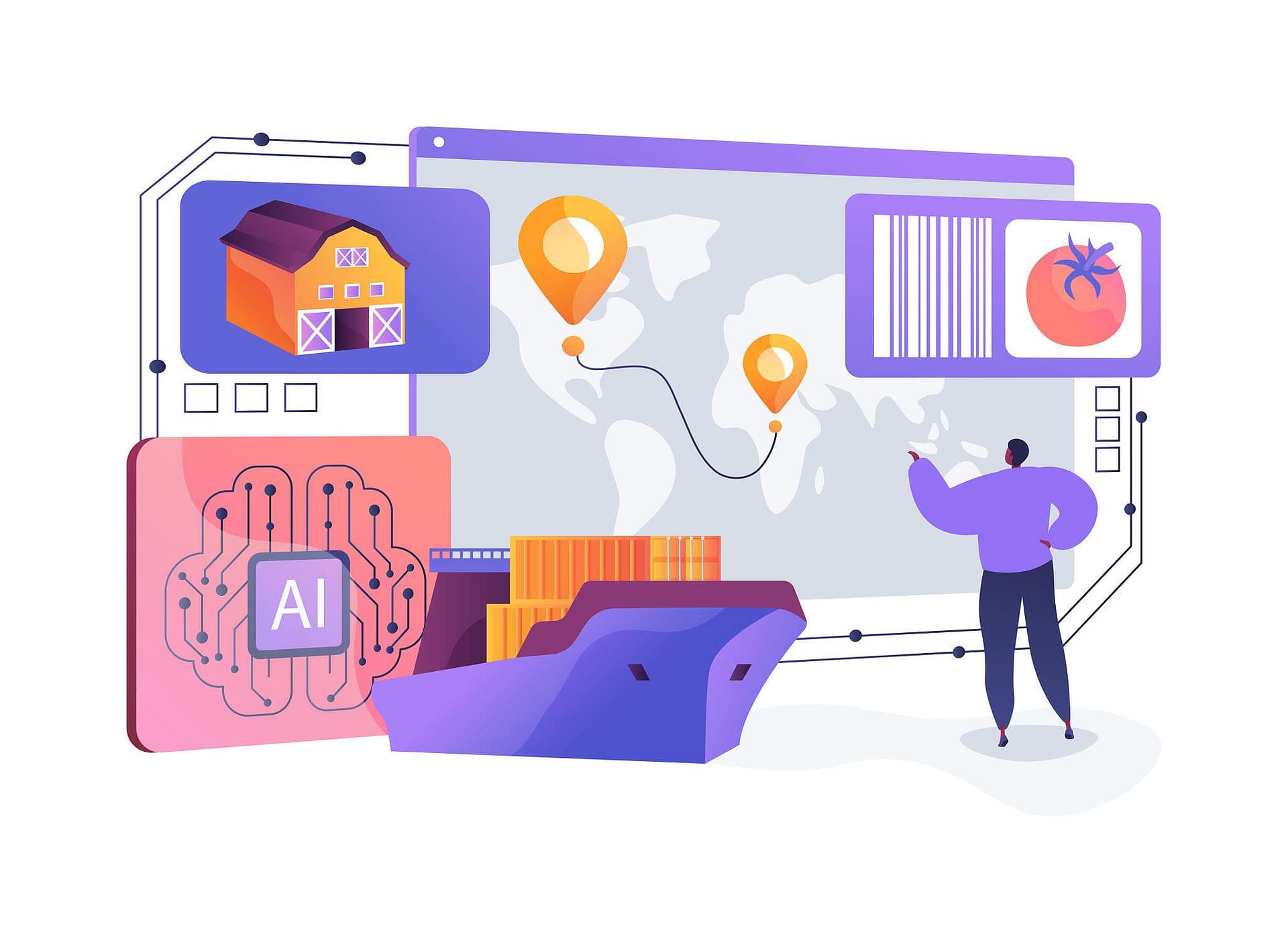
Artificial Intelligence (AI) is helping distributors automate operations, predict demand, and streamline B2B ordering processes.
In this article, we explore how AI is transforming B2B food distribution and why businesses adopting AI are gaining a competitive advantage.
1. Smarter Demand Forecasting
One of the biggest challenges in food distribution is predicting demand accurately.
AI-powered systems analyze:
- Historical order data
- Seasonal demand patterns
- Market trends
- Weather patterns
This allows distributors to predict demand with significantly higher accuracy.
Benefits
• Reduced inventory waste
• Better stock planning
• Improved supply chain efficiency
2. Automated Sales Order Processing
Traditional order processing involves manual entry, phone calls, and spreadsheets.
AI-driven systems can automate:
- Order creation
- Quote generation
- Purchase order processing
- Vendor communication
This reduces errors and improves operational efficiency.
3. Real-Time Supply Chain Visibility
AI dashboards allow businesses to monitor supply chain operations in real time.
Companies can track:
- Inventory levels
- Delivery timelines
- Supplier performance
- Warehouse efficiency
This enables faster decision-making and improved coordination between suppliers and distributors.
4. Intelligent Pricing Optimization
AI systems can analyze market trends and competitor pricing to automatically suggest optimal pricing strategies.
Distributors can dynamically adjust prices based on:
- Demand levels
- Stock availability
- Market conditions
This helps improve profit margins while staying competitive.
5. AI-Powered Sales Agents
Modern B2B platforms are now integrating AI agents that assist with:
- Lead qualification
- Product recommendations
- Automated order workflows
These systems reduce manual work for sales teams and allow businesses to scale faster.
Conclusion
AI is becoming a core infrastructure layer for modern food distribution businesses.
From demand forecasting to automated order processing, companies that adopt AI-driven platforms are gaining significant operational advantages.
As the industry continues evolving, AI will play an even larger role in shaping the future of B2B food supply chains.
Leave a Reply